









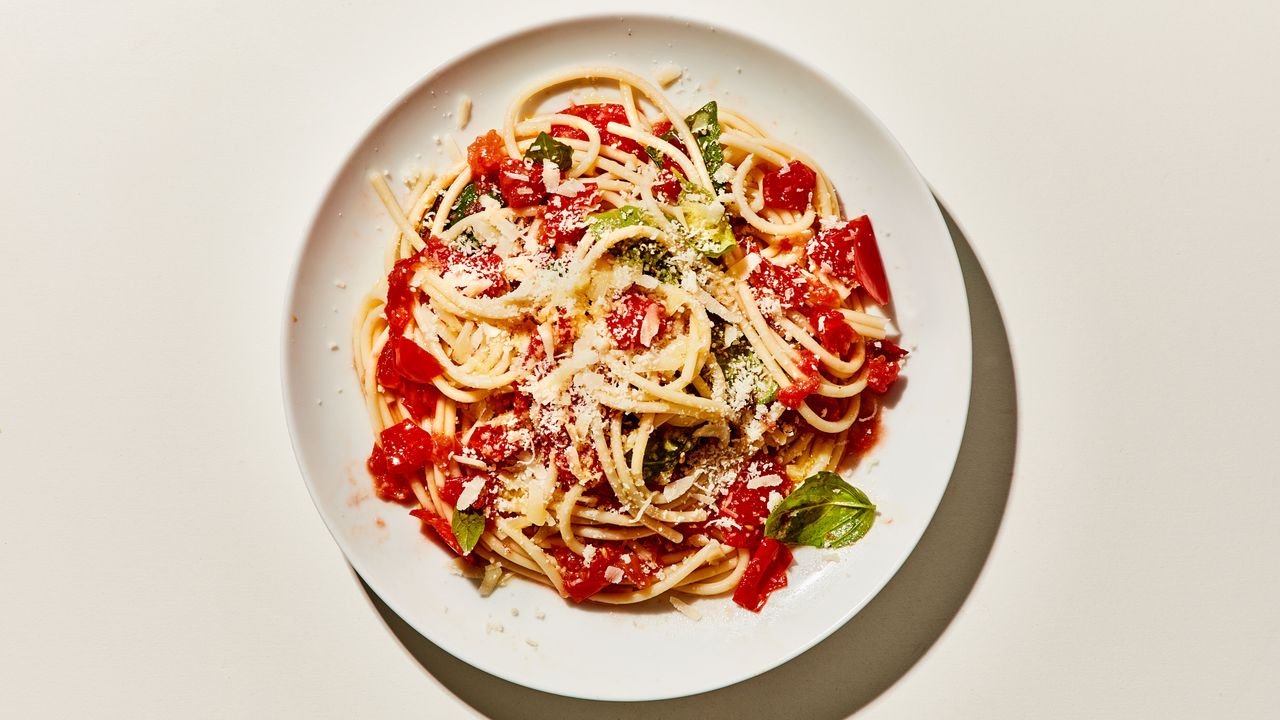
Home cooks can instantly elevate summer weeknight dinners using an effortless no-cook fresh tomato sauce method that captures peak seasonal flavor without ever turning on the stove. When fresh tomatoes hit their absolute peak, boiling or simmering them down strips away their bright, distinct profile; letting raw, ripe tomatoes shine with salt, time, and minimal additions yields a vibrant, juicy sauce effortlessly.
The Technique Behind Raw Tomato Sauce
The seeds and surrounding jellied juices inside raw tomatoes carry a natural bitterness and high water content, making seed removal essential before chopping the flesh to prevent a diluted consistency. After chopping, let the tomatoes marinate with minced garlic and a splash of vinegar for at least 30 minutes at room temperature, allowing the flavors to meld and the tomatoes to soften. Once ready, toss the mixture directly with steaming hot pasta, butter, olive oil, and finely grated Parmesan to create a glossy, perfectly emulsified sauce.
Selecting the Best Tomatoes for Fresh Sauce
Selecting high-quality produce makes all the difference when making an unheated sauce. Meaty, low-moisture varieties like Plum or Roma tomatoes work exceptionally well, while Heirloom tomatoes provide the deepest, most concentrated flavor profile. Overripe tomatoes—those that feel full-to-bursting like a water balloon—are particularly ideal because they contain higher sugar content and natural juices, delivering a sweeter final dish.
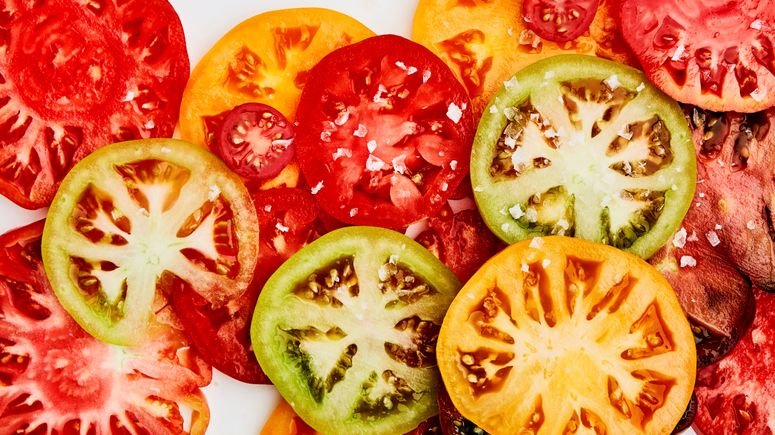
Why You Must Deseed Your Tomatoes First
Removing the seed pulp is a critical step in preserving the balance of a raw sauce. The liquid surrounding tomato seeds introduces excess moisture and an astringent taste that prevents the sauce from properly clinging to cooked noodles. Rather than discarding these extracted juices, save them to enrich cooked beans or mix them into mayonnaise for a flavorful egg sandwich spread.
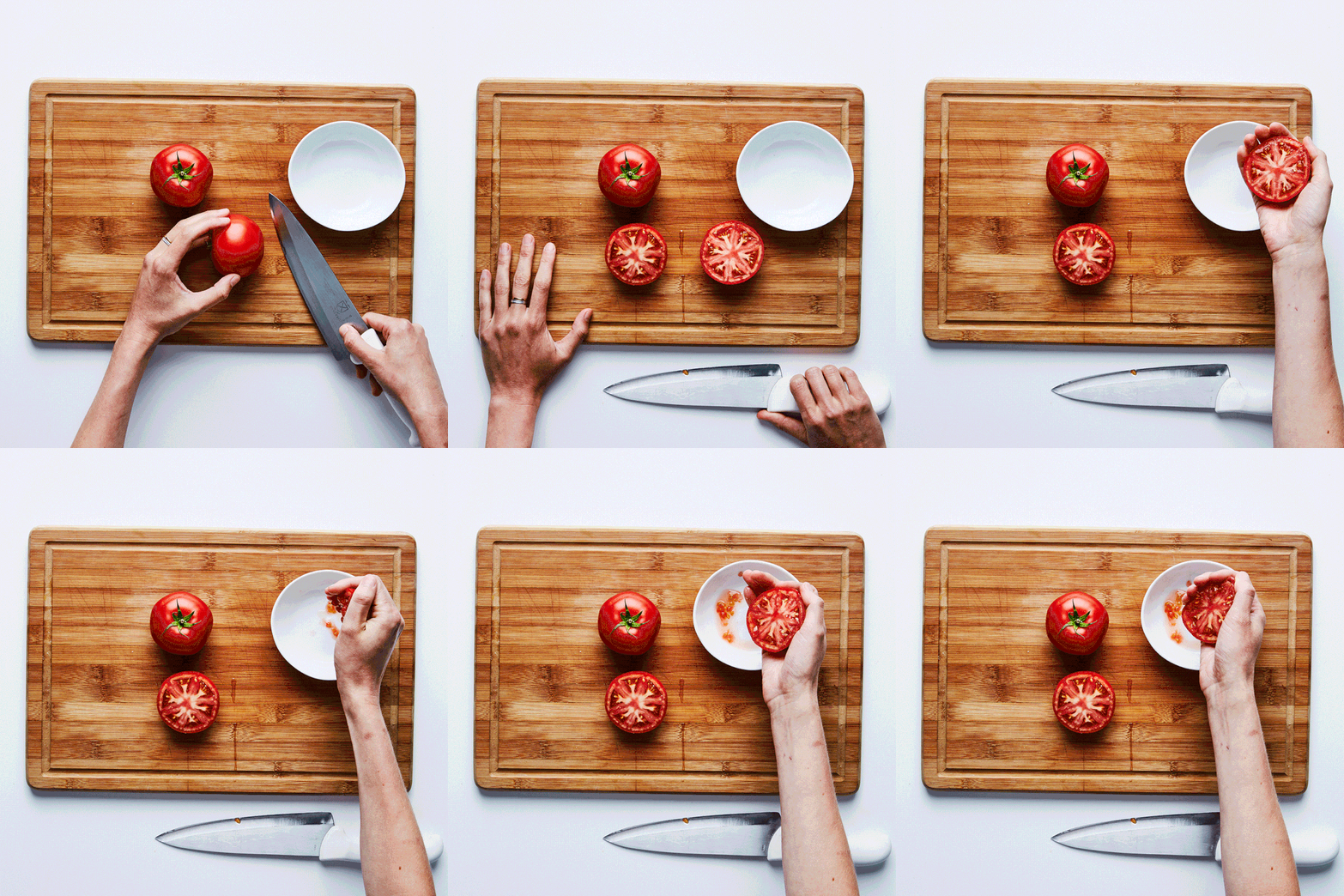
Fixing a Watery or Loose Texture
A fresh tomato sauce will not naturally thicken like a cooked marinara. If the sauce appears too loose, verify that all seed pulp was removed and ensure the pasta is added while piping hot. To thicken a loose consistency on the spot, incorporate additional finely grated Parmesan cheese and vigorously toss the pasta to build body.
Key Tips for Emulsification, Timing, and Storage
Should You Add Pasta Water?
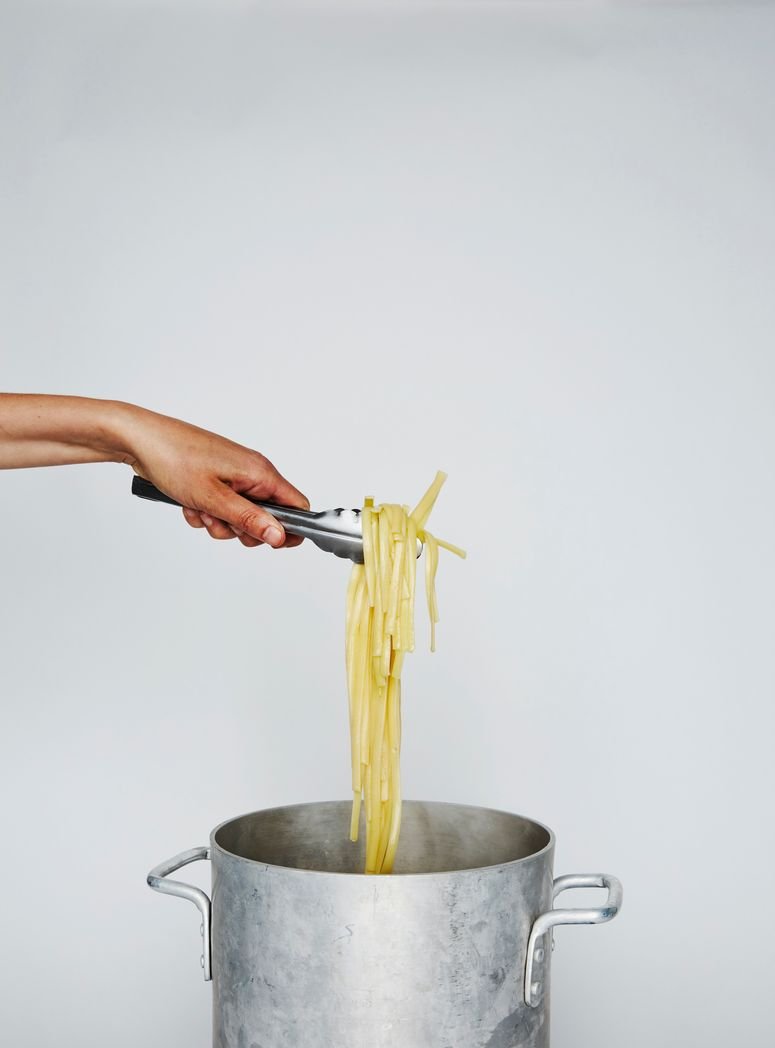
Starch-heavy pasta water is not strictly required for this recipe, but keeping a small reservoir on hand is beneficial. Adding a splash of hot pasta water helps emulsify the fat from the butter and oil with the fresh tomato juices, loosening up a dry batch and restoring a smooth, glossy coat to the noodles.
Prep Ahead and Freezing Instructions
This sauce benefits from resting at room temperature for a minimum of 30 minutes and up to 5 hours, giving the ingredients adequate time to release their juices and harmonize. To preserve peak summer tomatoes for long-term use, freeze the sauce in airtight containers. Ensure the mixture cools completely before sealing, leaving one to two inches of headspace for liquid expansion. Thaw frozen sauce overnight in the refrigerator and bring it to a brief, gentle simmer prior to serving.