




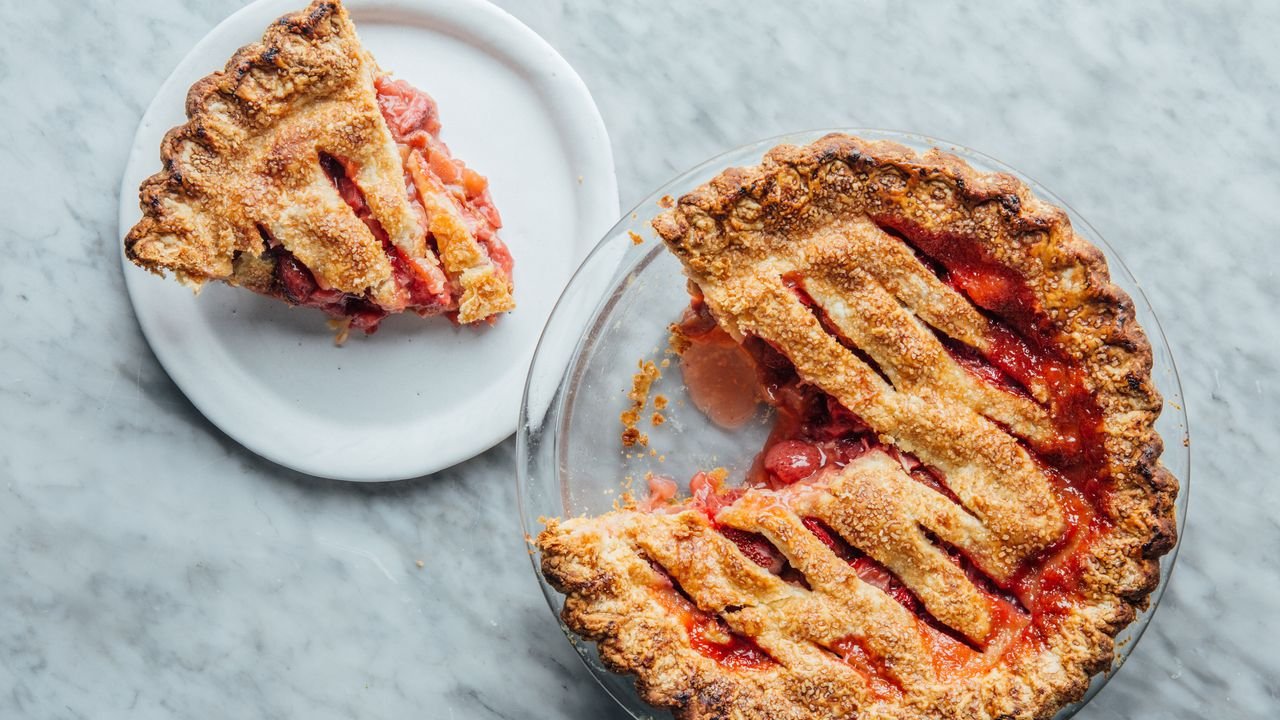
Bon Appétit’s signature strawberry-rhubarb pie recipe combines a thick, jammy fruit center with a tender, flaky crust designed to convert even devout rhubarb skeptics. By applying proven culinary science, this iconic seasonal dessert guarantees a perfectly balanced slice that resists runniness every single time.
The Science Behind the Ultra-Flaky Crust
The key to achieving an exceptionally soft yet flaky pie crust relies on a unique technique adapted from culinary expert J. Kenji López-Alt: adding vodka to the dough. Liquid hydration is essential for making flour pliable, but water promotes gluten development, which can yield a tough texture. Replacing part of the water with vodka hydrates the dough without triggering gluten formation, resulting in a pliable dough that easily rolls into an intricate lattice or standard crust with minimal effort.
Fresh vs. Frozen Fruit: Selecting Your Ingredients
Optimal flavor and structure come from fresh strawberries and rhubarb harvested at their peak. When shopping at local farmers markets or grocery stores, choose rhubarb stalks showing a blush of green, which offers the bright, tart flavor necessary to balance the sweet fruit. For strawberries, opt for firm, ripe berries rather than soft, overripe ones.
While fresh fruit yields superior results, frozen alternatives can work under specific conditions. Frozen strawberries discharge substantial excess moisture as they thaw, risking a watery center, while frozen rhubarb tends to break down into a mushy consistency. If using frozen produce, thoroughly thaw and drain all excess liquid before mixing the fruit with your dry ingredients.
Should You Precook Rhubarb?
Precooking rhubarb before assembly is entirely unnecessary. The vegetable breaks down and tenderizes naturally during the extended baking time. Precooking only destroys its delicate structure, turning the fruit mushy before the crust finishes baking.
Mastering the Ideal Fruit Ratio and Texture
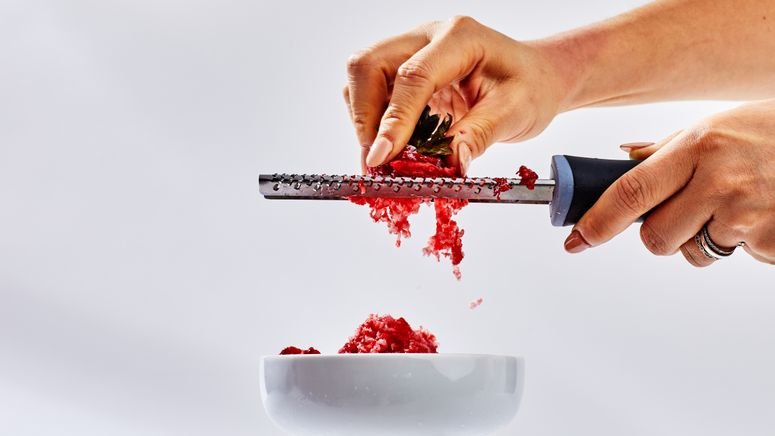
Preventing a soggy pie requires balancing natural moisture with natural pectin. The ideal formula calls for a ratio of roughly 60% rhubarb to 40% strawberries—translating to roughly 5 cups of chopped rhubarb to 3 cups of strawberries. For precision, measuring ingredients by weight yields the most consistent result.
Because strawberries emit high amounts of liquid during baking, rhubarb’s natural pectin helps bind the fruit mixture. Slice the rhubarb into uniform pieces to ensure even cooking, toss the filling thoroughly, and allow the baked pie to cool completely at room temperature before slicing. Test kitchen editor Chris Morocco notes that allowing the pie to rest overnight further stabilizes the filling while intensifying the fruit flavors.
Thickeners and Alternatives
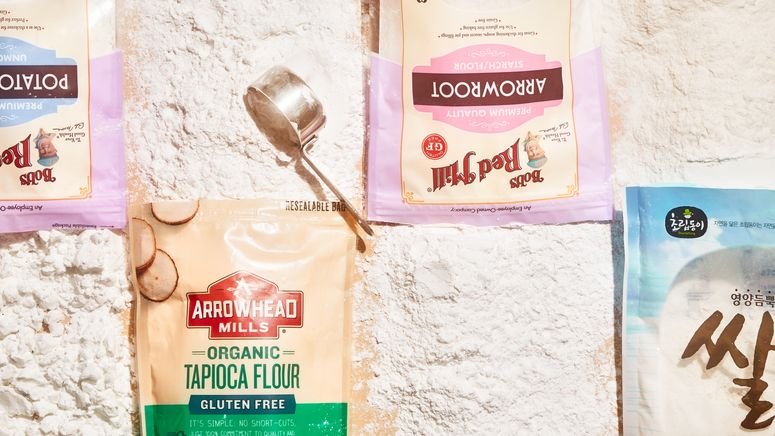
Cornstarch serves as the primary thickening agent for this recipe, creating a glossy, rich filling that sets cleanly. If cornstarch is unavailable, potato starch functions as a direct 1:1 substitute. Alternatively, tapioca flour can be substituted using twice the amount of cornstarch requested; while tapioca yields a slightly different gel structure, it effectively holds the filling together. Regardless of the starch used, full cooling is mandatory to allow the structure to firm up.
Freezing and Storage Guidelines
Fully baked strawberry-rhubarb pies freeze exceptionally well. Wrap the cooled pie tightly in plastic wrap and aluminum foil, store it in the freezer for up to two months, and thaw overnight in the refrigerator prior to serving. Avoid freezing unbaked pie filling, as the freezing process breaks down cell walls, causing excessive liquid release during baking that compromises the bottom crust.