









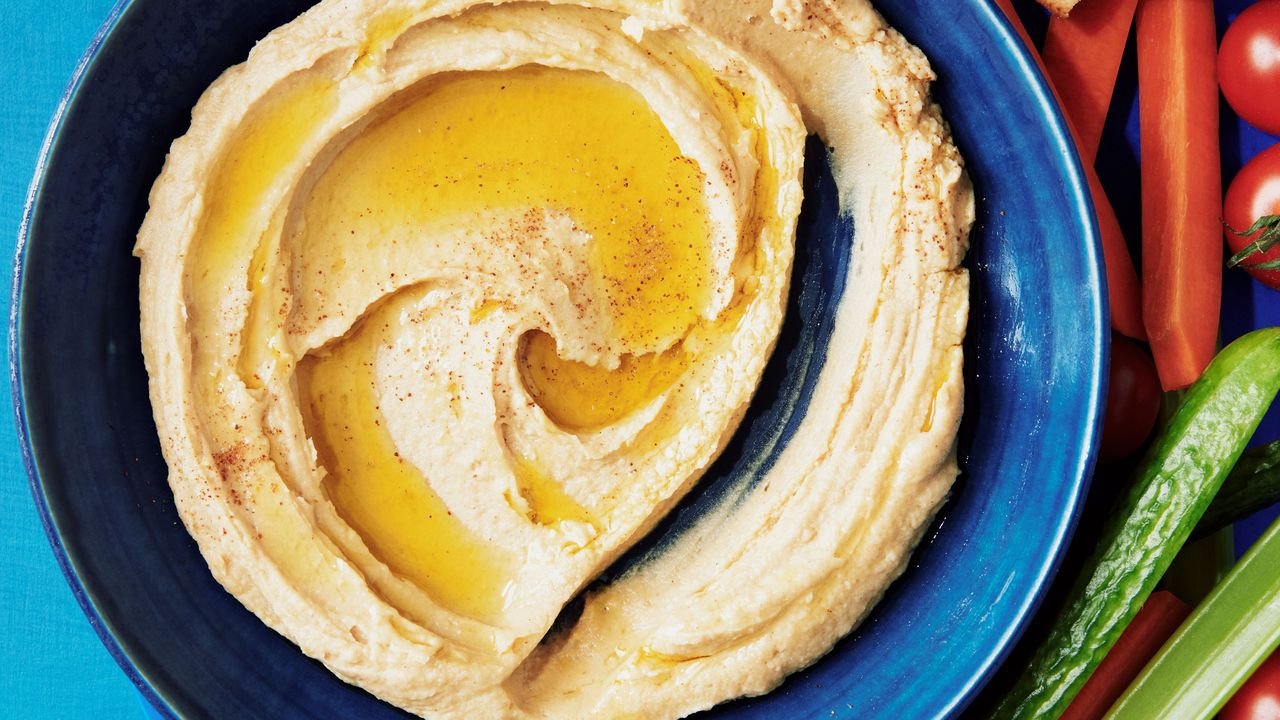
Home cooks can transform standard canned chickpeas, tahini, fresh lemon juice, garlic, and olive oil into ultra-creamy, restaurant-quality hummus in just 10 minutes by incorporating an unexpected staple: ice cubes. This straightforward technique utilizes everyday pantry ingredients and a high-powered blender to deliver a light, airy texture directly in your home kitchen without watering down the dip’s rich flavor profile.
The Science Behind the Ice Cube Emulsion Technique
Achieving a silky consistency in homemade dips often comes down to precise ingredient ratios and mechanical thermal control. While blending chickpeas and tahini without sufficient liquid results in a dense, pasty paste, introducing ice cubes during processing changes the physics of the mixture. The ice rapidly cools the blade friction and encourages the fat from the olive oil and tahini to form a stable, fluffy emulsion with the legumes.
This temperature drop creates a markedly lighter, smoother result than relying solely on room-temperature liquid. Cooks can also substitute or supplement with chilled water or the reserved liquid directly from the chickpea can (aquafaba) to adjust liquid balance without sacrificing mouthfeel.
Serving Ideas and Culinary Applications
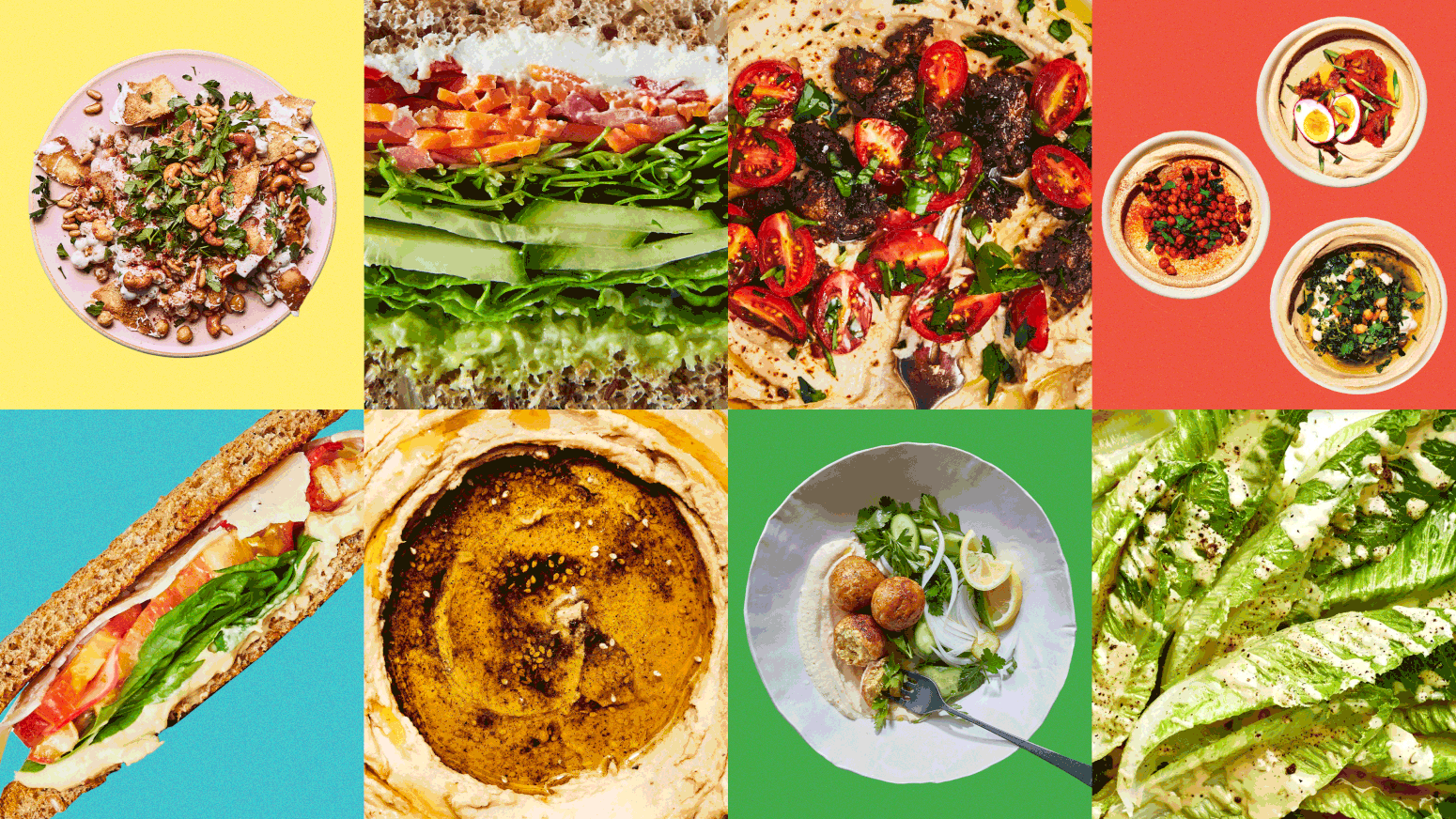
Once whipped to an optimal lightness, this versatile spread serves as a foundation for numerous dishes. Traditional presentations pair the warm dip with freshly baked pita bread and crisp, sliced garden vegetables. Beyond standard appetizer spreads, the smooth texture makes it an ideal spread for wraps and artisanal sandwiches, as well as a protein-rich base layer for Mediterranean grain bowls and comprehensive mezze platters.
Equipment Considerations: Blenders vs. Food Processors
While a high-speed blender produces the most velvety finish, a standard food processor remains a fully viable alternative for making fresh hummus. Kitchens using a food processor should allow the appliance to run longer to break down the chickpea skins thoroughly. To adjust a thicker processor batch to a looser consistency, stream in small splashes of chilled water one step at a time until reaching the desired texture.