









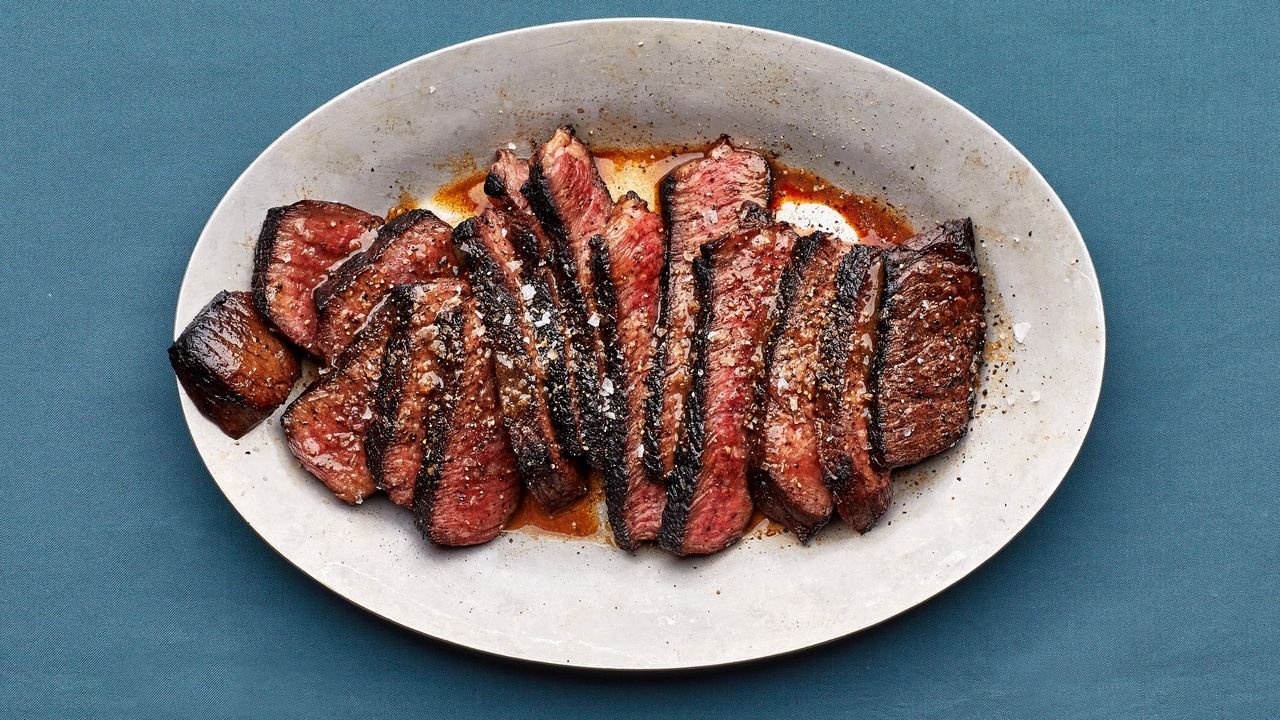
Home cooks can transform tough beef into restaurant-quality steak on their stovetops tonight using a cast-iron skillet and a science-backed marinade. This high-heat searing method delivers a juicy, budget-friendly steakhouse dinner in minutes by turning lean cuts into tender, flavor-packed bites.
Understanding London Broil: Cut vs. Technique
Despite what butcher counter labels might suggest, London broil refers to a cooking method rather than a specific cut of beef. The dish traditionally starts with a lean, muscular steak—most commonly top round or flank steak. Because these cuts contain minimal intramuscular fat, achieving a tender result requires marinating the meat, cooking it quickly over intense heat, and slicing it thinly against the grain.
Essential Techniques for Maximum Tenderness
Delivering a tender London broil relies on a few critical preparation steps. Before adding the steak to the marinade, prick the meat all over with a fork. This step allows the savory liquid and tenderizing agents to penetrate deep into the interior rather than sitting solely on the surface.
Cooking control is equally crucial. Because lean beef quickly turns tough and chewy when overcooked, keep a reliable digital meat thermometer nearby. Pull the steak off the heat once it reaches medium-rare. Allow the meat to rest fully before carving so the natural juices redistribute evenly throughout the cut. Serve the sliced beef alongside twice-baked potatoes and a classic wedge salad for a complete steakhouse meal on a weeknight budget.
The Science Behind Baking Soda in Steak Marinades
Adding a small amount of baking soda to the marinade drastically improves both texture and appearance. Baking soda raises the pH level on the surface of the meat, which distorts the proteins, prevents tough muscle fibers from contracting tightly, and accelerates the Maillard reaction for superior browning.
When mixing the marinade, the baking soda may fizz upon contacting acidic components like vinegar. While acid and alkaline ingredients partially neutralize one another, the baking soda retains its ability to enhance caramelization and soften the outer layers of the beef.
Why Cast-Iron Skillets Beat Traditional Broiling
While classic recipes call for oven broiling or outdoor grilling, a heavy cast-iron skillet yields the most consistent results. A hot skillet creates a deep, uniform crust while giving you precise control over the cooking process. Total cook times vary depending on the thickness of the cut, making an instant-read thermometer essential to ensure the internal temperature does not exceed medium-rare.
Mastering the Cut: Slicing Against the Grain
Lean cuts utilized for London broil feature distinct, long muscle fibers running parallel across the meat. “Slicing against the grain” means positioning your knife perpendicular to these fibers.
Cutting across the grain shortens the tough muscle strands, making the beef effortless to chew and significantly enhancing the perception of tenderness in every bite.
How to Turn Reserved Marinade into a Rich Steak Sauce
Rather than discarding the leftover marinade, transform it into a quick, flavorful pan sauce. Boiling raw meat marinade eliminates harmful bacteria and creates an ideal liquid base for drizzling over the finished steak.
Step-by-Step Sauce Instructions
Transfer the reserved marinade to a small saucepan and stir in ⅓ cup of water. Bring the liquid to a rolling boil over medium-high heat, stirring constantly as it foams up. Continue boiling for approximately 3 minutes until the foaming subsides completely. Remove the saucepan from the heat source, add 2 tablespoons of unsalted butter, and whisk vigorously until the mixture emulsifies into a smooth, glossy sauce. Keep warm until ready to serve alongside the carved meat.