









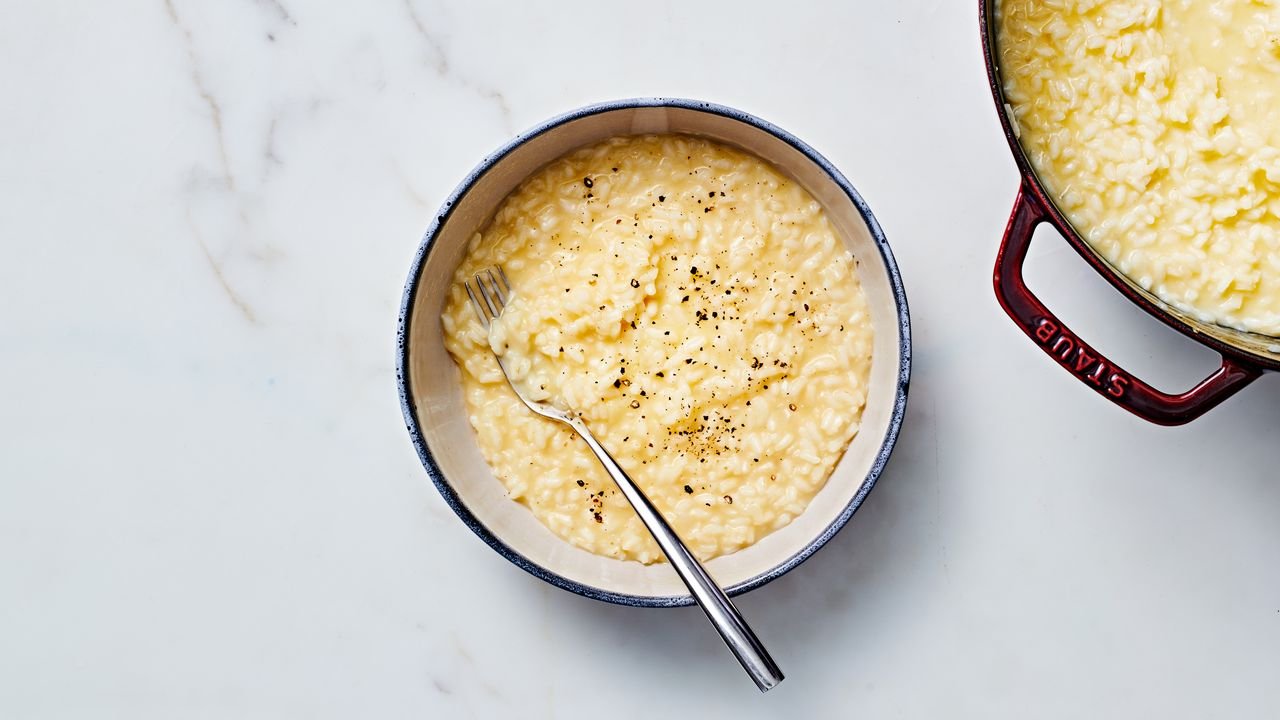
Culinary experts at Bon Appétit have released a master technique enabling home cooks to prepare restaurant-quality, perfectly creamy risotto in their own kitchens today using simple short-grain rice and proper liquid management. Built on traditional Italian cooking fundamentals, this foundational recipe relies on high-starch rice, methodical liquid additions, and controlled stirring to achieve an effortless balance of rich texture and tender grains. While warm salted water creates a clean profile that highlights the rice’s natural taste, substituting chicken, seafood, or mushroom stock introduces deeper flavor profiles. Once this base method is mastered, home chefs can seamlessly adapt the dish with seasonal vegetables, fresh herbs, cured meats, and artisanal cheeses.
Choosing the Right Rice for Maximum Creaminess
High-starch, short-grain rice varieties remain the non-negotiable standard for authentic risotto. Carnaroli and Arborio lead the category by releasing starches during cooking, yielding a luxurious creaminess while retaining a firm, tender bite. For heartier, meat-heavy preparations, Vialone Nano offers an even sturdier grain that holds up under intense simmer times. In an emergency, standard sushi rice serves as an acceptable substitute. When buying generic “risotto rice” at local markets, cooks must verify the package contains raw, unseasoned grains rather than pre-cooked or instant variations.
Selecting the Ideal Cooking Wine
The choice of wine directly dictates the acidity and background notes of the finished dish. A dry white wine that is enjoyable to drink on its own works best. Pinot Grigio stands out as a reliable classic due to its clean finish and bright acidity, making it versatile enough for almost any ingredient combination. Unoaked Chardonnay excels when paired with earthier flavorings, such as wild mushrooms, roasted winter squash, or root vegetables.
The Truth About Constant Stirring
Contrary to popular kitchen myths, risotto does not require non-stop manual stirring. Frequent, rhythmic agitation releases necessary starches without damaging the grains, but cooks do not need to remain tethered to the stove. For a hands-off method, pour the majority of the simmering liquid into the pot at the start, secure the lid, and reduce the heat to low. Approximately ten minutes before completion, remove the lid, add any remaining liquid, and stir briskly with a wooden spoon to bring the glossy emulsion together.
Achieving the Signature “All’Onda” Texture
The hallmark of expertly executed risotto is a supple, flowing consistency that Italians call all’onda—meaning “at the wave.” The final dish should slowly spread across a flat plate or shallow bowl like a gentle tide, striking a precise balance between loose creaminess and structural cohesion. It should never appear dry, clumpy, or watery. To secure this texture, remove the pan from the heat source just before the final splash of warm liquid is fully absorbed, allowing the residual heat to thicken the rice as it rests.
Smart Prep-Ahead and Leftover Strategies
While risotto reaches its peak quality when served immediately off the stove, practical prep strategies allow for easy advance execution and creative leftover use. Cold leftover risotto can be gently rehydrated over low heat with hot stock, or shaped and fried into crisp arancini. When catering to large dinner gatherings, cooks can execute the recipe halfway through, cool the partially cooked grains rapidly, and store them tightly covered in the refrigerator. To serve, finish cooking the chilled rice using the remaining warm liquid, stirring continuously until the grains reach peak tenderness.