








Cookbook author Molly Baz has decoded the secret to tender, fluffy matzo balls for Bon Appétit’s classic soup recipe without relying on seltzer, baking powder, or whipped egg whites. By combining basic staples—eggs, matzo meal, broth, dill, black pepper, and rich schmaltz—this straightforward culinary method relies on precise resting times and gentle simmering to deliver reliably light dumplings every single time.
The Secrets to Gimmick-Free Matzo Balls
Achieving light, pillowy matzo balls does not require delicate handling or secret tricks. Rendered chicken fat (schmaltz) provides a traditional rich savoriness and comforting flavor profile, balanced by fresh dill and black pepper for bite. During recipe development for BA’s Best Matzo Ball Soup, test kitchen trials proved that rolling the mixture firmly into smooth spheres will not make the finished dumplings dense. Instead, master handling relies on resting the mixture and controlling simmer temperatures.
Crucial Steps for Optimal Texture and Flavor
Why Chilling the Dough Is Mandatory
Resting the matzo ball mixture in the refrigerator for at least 35 minutes is critical for proper hydration. The mixture initially appears loose, but this designated rest period allows the dry matzo meal to fully absorb the liquid components. As the dough hydrates and firms up, it holds its shape during shaping and cooks into a light, airy structure rather than a dense brick.
Simmering in Water vs. Cooking in Soup
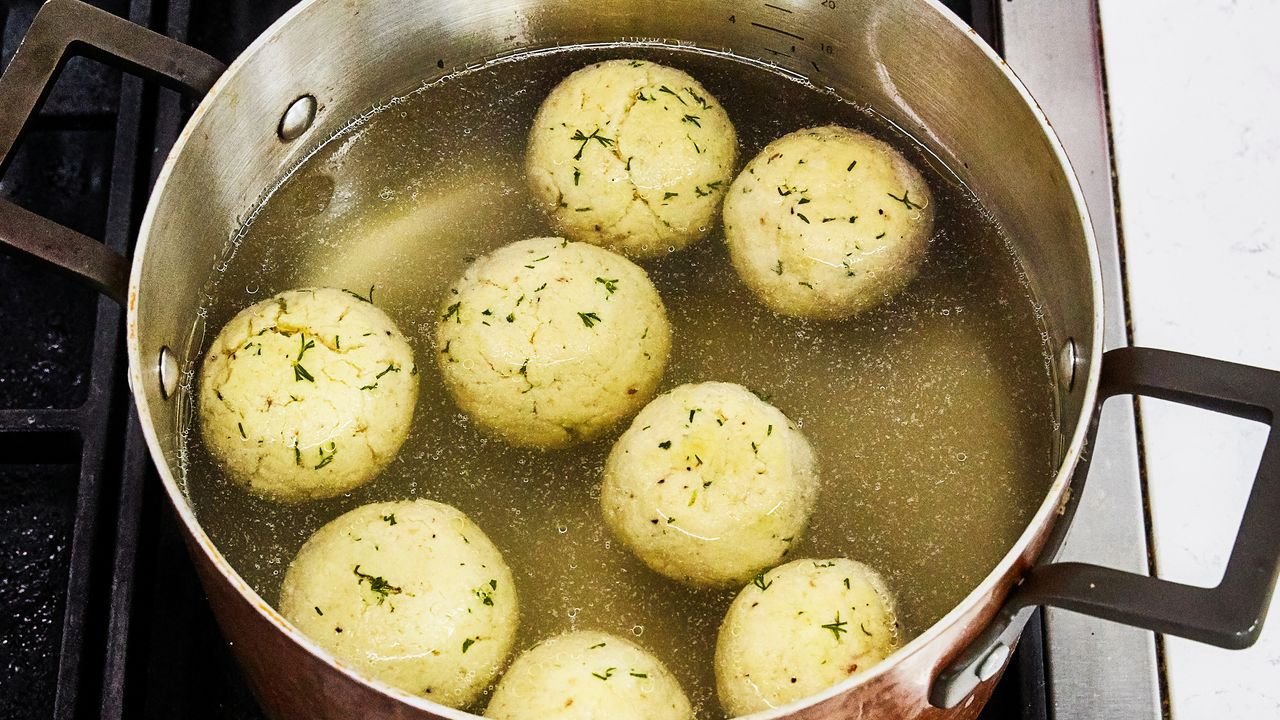
Matzo balls act like sponges, absorbing significant amounts of the liquid they are cooked in. Simmering them directly in well-seasoned, salted water allows the dumplings to absorb crucial flavor while keeping your primary soup broth crystal clear. The cooking water should be salted generously—similar to pasta water—yielding a seasoned taste without becoming overly briny.
How to Prevent Dense or Falling-Apart Dumplings
Temperature control is the primary factor determining whether matzo balls puff up properly. Dumplings require a gentle simmer under a tight-fitting lid for a full 30 to 40 minutes. A rapid, rolling boil can cause matzo balls to toughen or completely disintegrate in the pot. Furthermore, removing the dumplings early prematurely halts heat penetration, leaving the centers undercooked and dense.
Ingredient Substitutions for Schmaltz
While schmaltz delivers the classic savory chicken flavor, several fat substitutes are effective. Neutral vegetable oil or light olive oil works well if chicken fat is unavailable, though the overall flavor profile will be milder. Alternatively, beef tallow creates a meatier, richer dumpling that pairs exceptionally well when served alongside beef broth.