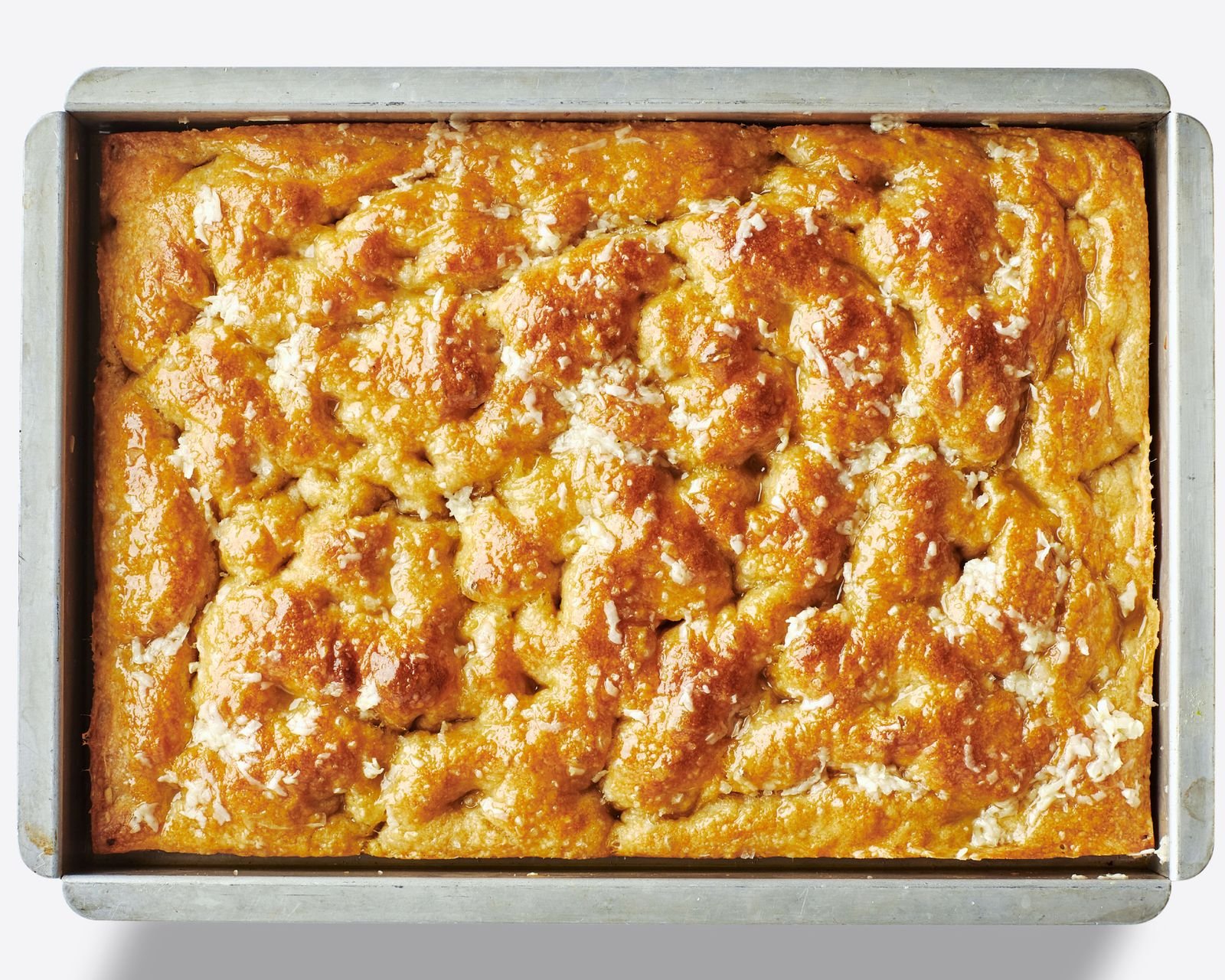








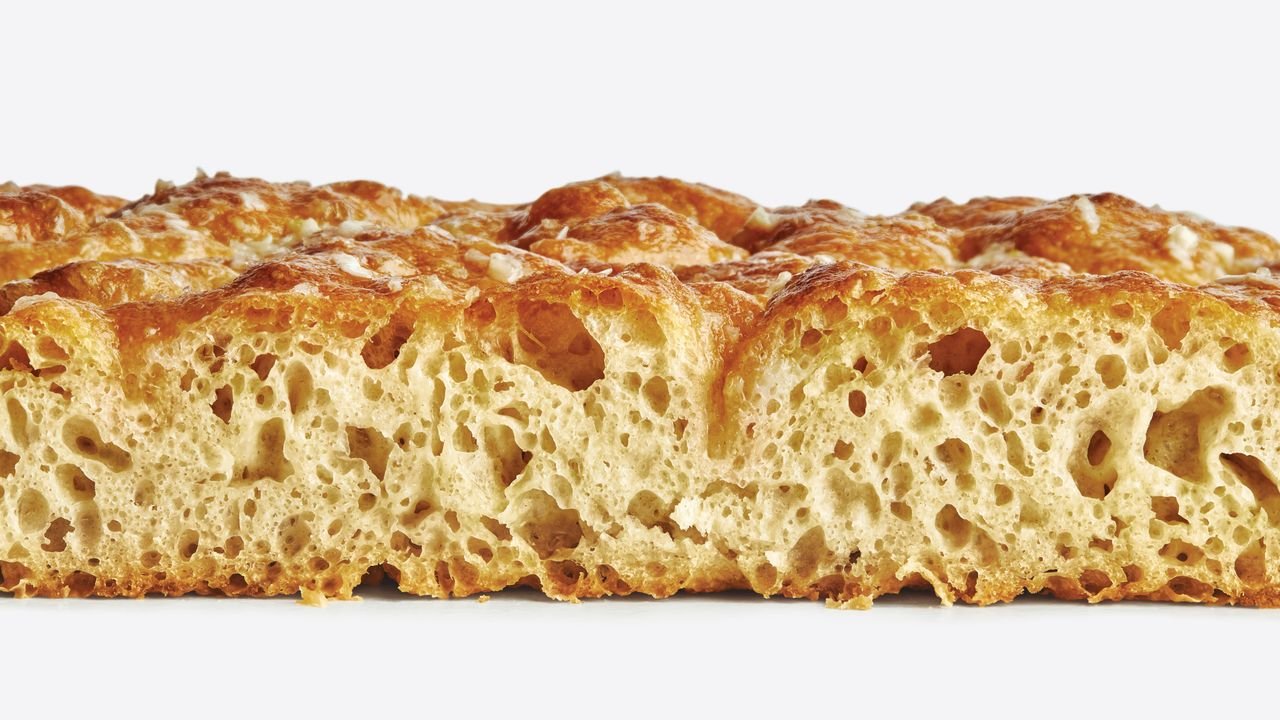
Home cooks can easily produce restaurant-quality focaccia featuring a deeply golden crust, an airy crumb, and rich olive oil flavor without any bread-baking experience, stand mixers, or special equipment. This high-hydration recipe relies on a simple no-knead technique that allows time to naturally develop the gluten, yielding exceptional results with minimal active work.
The Science Behind No-Knead High-Hydration Dough
Traditional bread making often requires intensive physical kneading, but this simplified process bypasses that step entirely. Gluten forms naturally during an extended resting period, creating a chewy texture and large characteristic air pockets. Because this recipe features high hydration, the resulting dough appears noticeably wet and sticky compared to standard bread doughs. Maintaining this wet consistency is vital, as adding unnecessary flour will dense up the final crumb structure and ruin the signature openness of the focaccia.
Fermentation Options: Refrigerated vs. Room Temperature
For maximum flavor development and ease of handling, the dough should undergo an overnight rise in the refrigerator lasting between 8 and 24 hours. Chilling firms up the sticky dough, making it significantly easier to transfer and stretch. If time is limited, the dough can instead ferment at room temperature for roughly 3 to 4 hours until it doubles in volume.
Choosing the Right Baking Pan
The choice of bakeware directly dictates the final thickness and texture of your bread:
- 13×9-Inch Metal Pan: Produces a thick, fluffy, and pillowy focaccia ideal for slicing horizontally into sandwich loaves.
- 18×13-Inch Rimmed Baking Sheet: Creates a thinner, crispier loaf with an increased ratio of golden crust.

How to Test Dough Proofing and Prepare for the Oven
Once transferred to the pan, stretched, and dimpled, the dough must be tested for proper proofing before entering the oven. Gently press the surface with a wet finger to prevent sticking. If the indentation rebounds slowly while leaving a slight impression, the dough is fully proofed. An immediate rebound indicates the dough requires additional resting time.
Custom Toppings and Recipe Variations
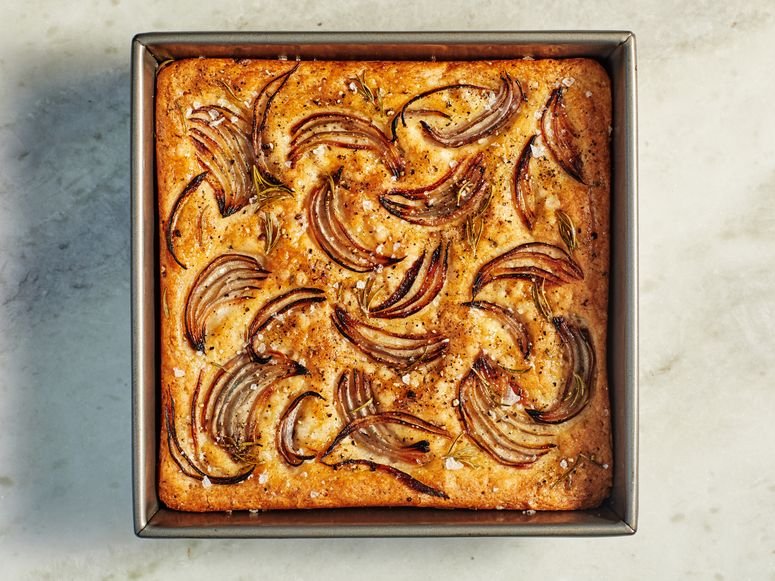
Before baking, top the dimpled dough with classic additions such as fresh rosemary, sliced olives, thin onions, cherry tomatoes, or grated Parmesan cheese. Finishing the hot, fresh-baked bread with brushed garlic butter adds an elevated layer of flavor, making it perfect for dinner baskets, soup dipping, or standalone snacking.
The base dough also serves as a versatile foundation for several creative applications:
- Focaccia pizza
- Cacio e Pepe focaccia
- Pretzel-style focaccia
- Double-tomato focaccia
- Large-format cheesesteak sandwich loaves
Freezing, Reheating, and Dietary Adjustments
This bread preserves exceptionally well. Bake and cool the focaccia completely, slice it into individual portions, and store them in an airtight container in the freezer for up to one month. To restore crispness, mist frozen slices lightly with water and reheat in a 300°F oven until warmed through.
While standard wheat flour is required to achieve this specific texture through gluten development, dedicated gluten-free alternative recipes exist to accommodate dietary restrictions without sacrificing flavor profile or aesthetic appeal.