









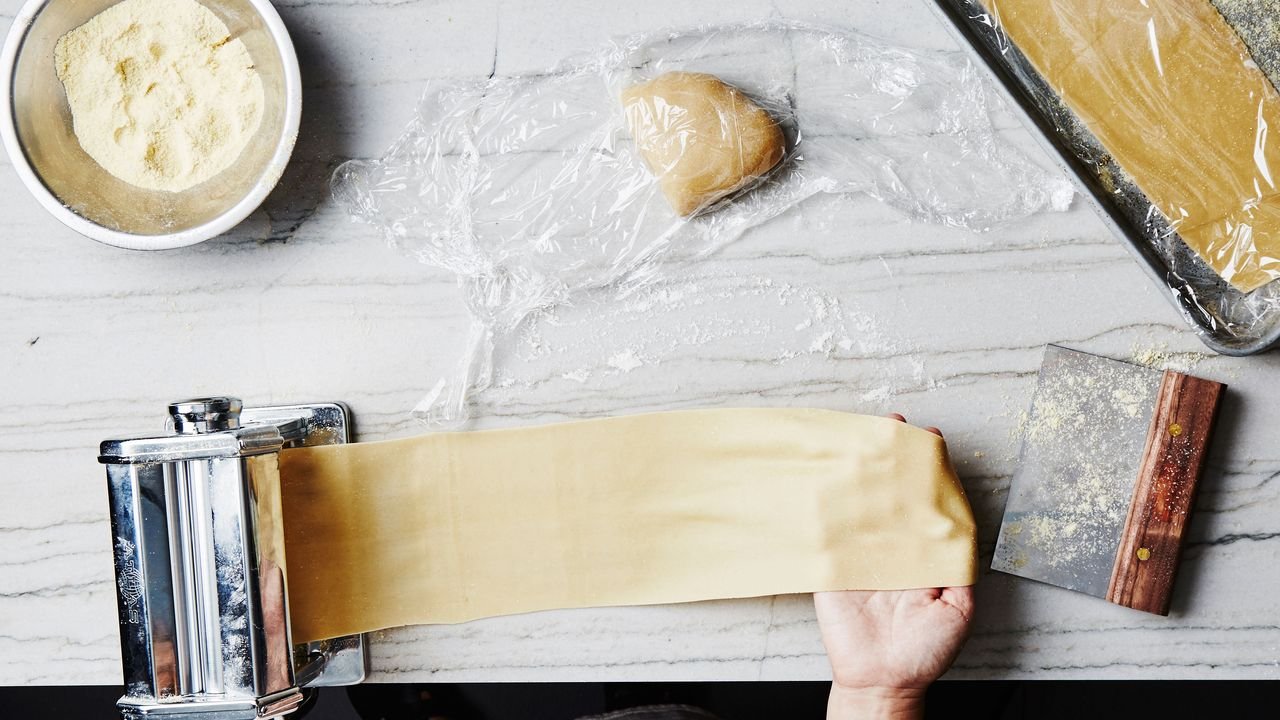
Home cooks looking to elevate their culinary skills can master rich, silky homemade egg pasta using simple pantry staples in their own kitchens today. This versatile foundational dough yields tender noodles ideal for fettuccine, pappardelle, ravioli, and lasagna sheets without requiring advanced techniques.
Fresh vs. Dried Pasta: Understanding the Difference
A common misconception is that fresh homemade pasta automatically surpasses packaged dried pasta. In reality, both styles serve distinct culinary purposes. Fresh egg pasta features a tender, velvety texture and cooks in a matter of minutes, making it the ideal choice for delicate filled shapes and flat noodles like fettuccine, pappardelle, and lasagna. Conversely, dried pasta offers a firmer, al dente bite suited for heartier sauces and everyday convenience. Fresh pasta isn’t superior; it simply delivers an irreplaceable texture and flavor profile when a fresh meal is desired.
Choosing the Right Flour for Maximum Success
Specialty ingredients like Italian Tipo 00 flour, semolina, or high-gluten bread flour are completely unnecessary for this reliable egg dough. Standard all-purpose flour provides the ideal balance, yielding a smooth, elastic dough that is easy to mix, roll, and shape. Because alternative flours absorb liquids at vastly different rates, swapping them can ruin the dough’s hydration level and elasticity. Sticking strictly to standard all-purpose flour guarantees consistent, professional results every time.
Do You Really Need a Dedicated Pasta Machine?
While specialized gear is not mandatory, using a mechanical pasta roller simplifies the process significantly. A traditional hand-crank machine or a stand-mixer roller attachment allows home cooks to stretch sheets evenly thin with minimal physical effort.
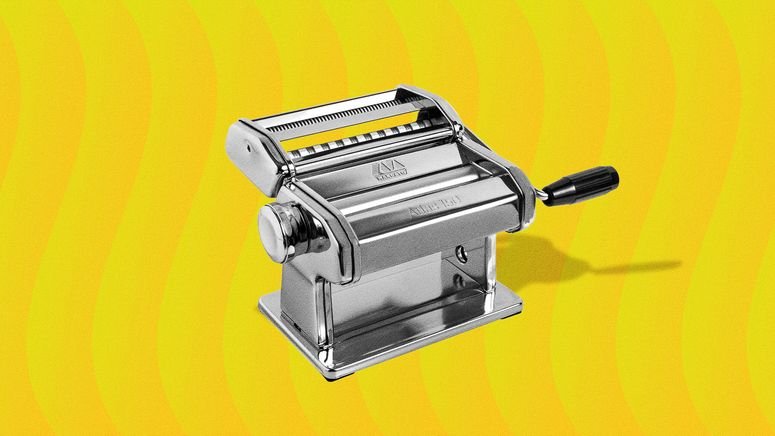
However, cooks without specialized machinery can achieve excellent results using a standard wooden rolling pin. Rolling pasta by hand requires slightly more effort and patience, but it yields equally delicious, custom-shaped noodles.
Essential Techniques: Resting and Boiling Fresh Dough
Why Letting the Dough Rest Is Non-Negotiable
Once the dough is fully mixed and kneaded, a mandatory rest period of at least 30 minutes at room temperature is required before rolling. Resting allows the gluten network to relax thoroughly, preventing the dough from springing back when stretched and ensuring ultra-thin, smooth pasta sheets.
Boiling Times and Sauce Coordination
Fresh egg pasta cooks dramatically faster than commercially dried noodles. After dropping sheets or strands into a large pot of aggressively salted boiling water, test for doneness after just 1 to 2 minutes. Because the cooking window is exceptionally brief, sauces and garnishes must be fully prepared and heated before the fresh pasta enters the water.