





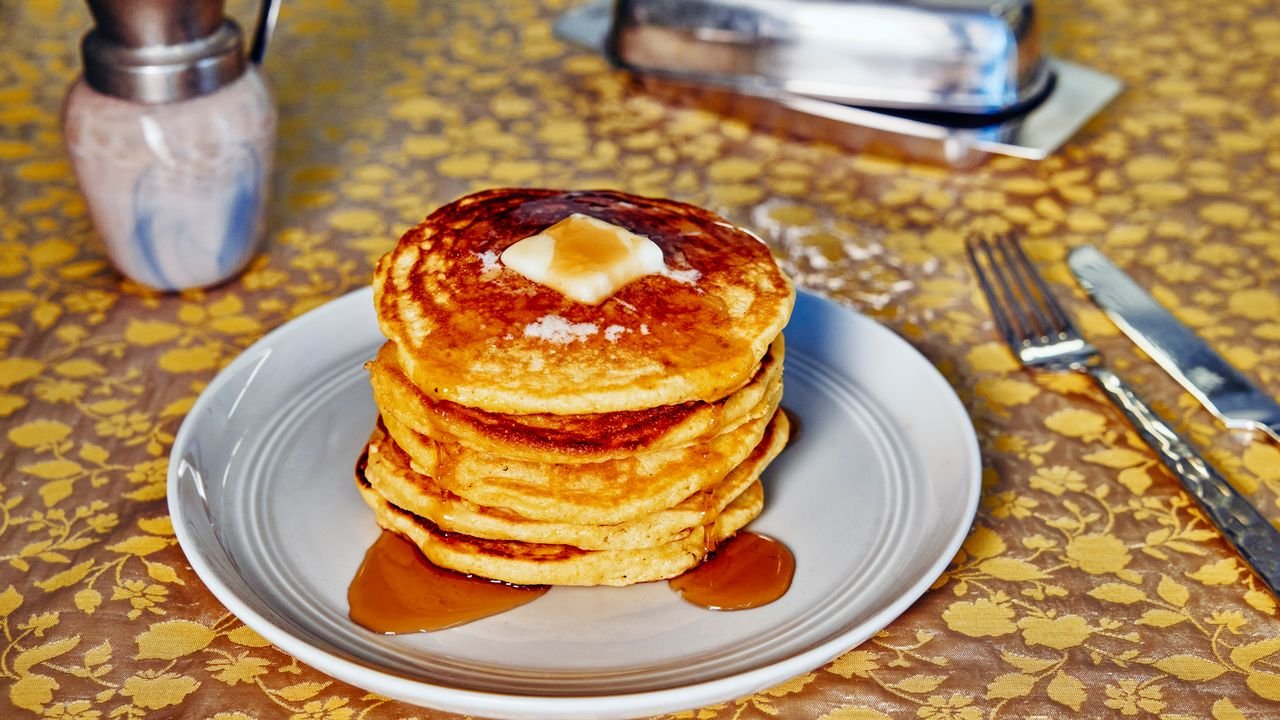
Crisp, golden edges and light, tender interiors define the ultimate cornmeal pancake, offering home cooks an easy way to transform routine morning breakfasts into exceptional meal experiences using simple skillet techniques.
Unlike traditional all-flour stack recipes known solely for soft fluffiness, cornmeal pancakes deliver a signature textured bite. Utilizing medium- or fine-grind cornmeal provides a delightful subtle crunch, while buttermilk works chemically to maintain a soft, pillowy crumb inside. When dropped onto a properly preheated surface, the batter crisps along the outer margins to form an enviable golden crust.
Sweet or Savory: Endless Flavor Customizations
Versatility makes this dish adaptable for any palate or dietary mood. Substitute standard granulated sugar with raw honey, or infuse the mixture with half a teaspoon of vanilla extract or freshly grated citrus zest. For classic sweet brunch pairings, top a fresh stack with sliced peaches, fresh blueberries, pure maple syrup, and a generous pat of butter. For a bold savory twist, serve these golden cakes alongside soft scrambled eggs, creamy cottage cheese, and a spoonful of spicy chili crisp.
5 Essential Steps for Flawless Cornmeal Pancakes
1. Select the Ideal Cornmeal Grind
Choosing the correct cornmeal grind determines final texture success. Medium- or fine-ground yellow or white cornmeal yields the exact balance of tender interior and subtle crunch. Steer clear of coarse cornmeal, which creates an unpleasant gritty mouthfeel, and avoid ultrafine corn flour, which leads to heavy, overly dense pancakes.
2. Prevent Toughness by Mixing Correctly
Overmixing ruins delicate batter by overdeveloping gluten. Thoroughly whisk dry components—all-purpose flour, cornmeal, sugar, salt, and leavening agents—together in one bowl. In a separate bowl, combine the wet ingredients: eggs, buttermilk, and melted butter. Whisk the wet mixture into the dry ingredients just until no dry flour pockets remain; small residual lumps are expected and desirable.
3. Dial In the Right Batter Thickness
Batter consistency directly dictates pancake spread and lift. The ideal mixture remains easily pourable without running thin across the cooking surface. If the mixture appears too loose, allow it to sit undisturbed for 10 to 15 minutes to give the dry grains adequate time to hydrate. If it remains thin after resting, whisk in one tablespoon of all-purpose flour combined with one tablespoon of cornmeal until adjusted.
4. Cook in Heavy Cookware for Maximum Crispness
Pan material significantly impacts exterior browning. A preheated, heavy-bottomed skillet or cast-iron griddle delivers optimal heat retention for deep golden crispness. While nonstick cookware functions in a pinch, it fails to produce the same brown, caramelized outer edges.
5. Keep Batches Warm Without Moisture Build-Up
Maintain crispness across large cooking batches using smart oven management. Preheat an oven to 300°F and place an oven-safe wire rack inside a rimmed baking sheet. Setting finished pancakes on the raised wire rack guarantees continuous warm airflow around each cake, preventing steam buildup and keeping the bottoms from turning soggy.