









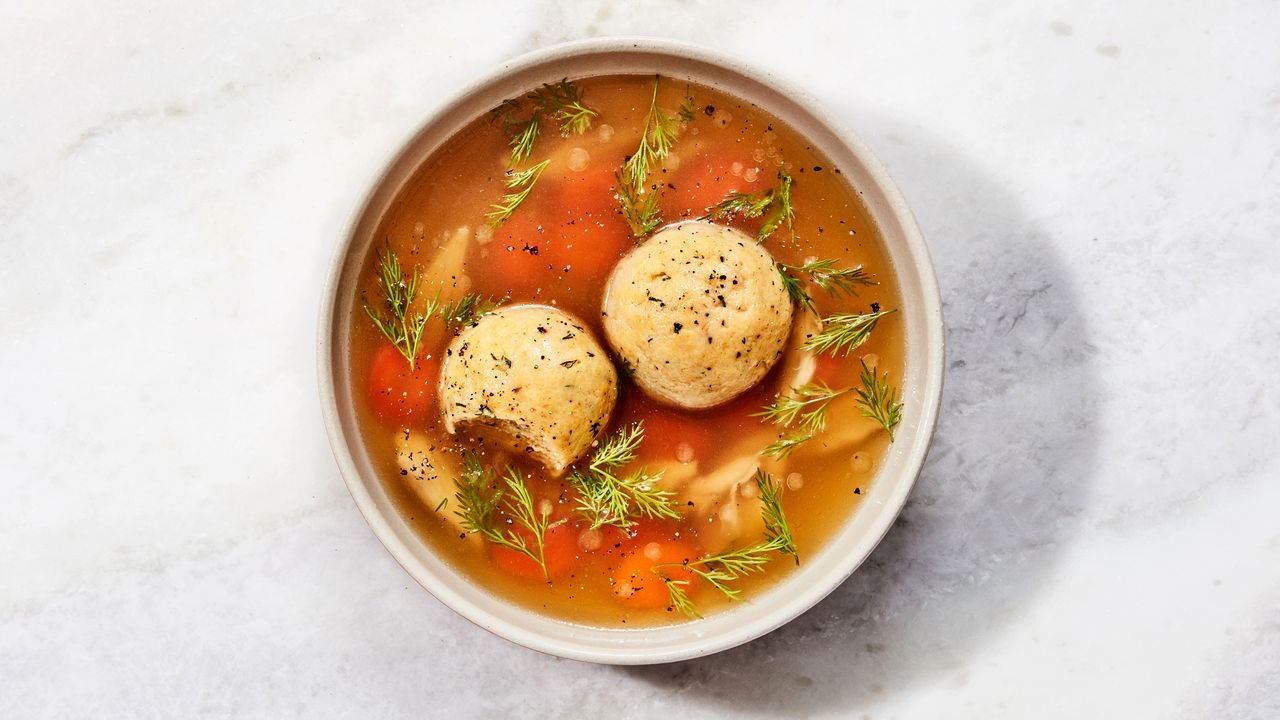
Food lovers finally have an answer to the age-old debate between fluffy “floaters” and dense “sinkers” as culinary developer Molly Baz introduced a perfected, gimmick-free Matzo Ball Soup recipe designed to deliver tender, airy dumplings every time. By systematically refining hydration, fat distribution, and cooking methods, this streamlined approach eliminates the need for seltzer or baking powder, ensuring home cooks produce pristine broth and ideal matzo balls through precise kitchen technique.
Mastering the No-Nonsense Matzo Ball Technique
The eternal debate among matzo ball enthusiasts usually forces a choice between light dumplings that float or heavy ones that sink. This updated method bypasses gimmicks entirely. Achieving consistently light, tender matzo balls requires no chemical leaveners or carbonated water. Instead, success relies strictly on proper ingredient ratios, adequate dough hydration, and precise temperature control.
This recipe yields eight generous main-course portions featuring two large matzo balls each, though it easily scales to serve 16 smaller appetizer portions. Designed with flexibility in mind, the recipe allows cooks to prepare the broth and dumplings simultaneously or make either component several days in advance for stress-free serving.
The Secrets Behind a Rich, Golden Chicken Broth
A exceptional matzo ball soup requires a deep, complex broth. The foundation relies on a two-step poultry technique: roasting chicken wings to develop caramelized depth, alongside lightly poaching seasoned chicken legs to keep the meat extraordinarily tender without drying out. Deglazing the roasting pan extracts maximum flavor from the caramelized chicken bits.
For a clean, leaner broth, prepare the stock a day ahead and chill it overnight in the refrigerator. As the broth cools, the chicken fat (schmaltz) solidifies at the top, making it simple to skim off. Repurposing this rendered schmaltz directly into the matzo ball dough infuses authentic chicken flavor straight into the dumplings.
Key Cooking Rules for Flawless Results
Why You Should Never Cook Matzo Balls Directly in the Soup
Simmering matzo balls directly in the soup broth is a common mistake that yields cloudy liquid and diluted flavor. Cooking the dumplings separately in a pot of well-seasoned, gently simmering water keeps the main stock crystal clear. Maintain a gentle simmer rather than a rolling boil to prevent the tender dumplings from breaking apart. If you prepare the matzo balls ahead of time, simply reheat them directly in the warm broth right before serving.
The Salt Rule: Treat Your Water Like Pasta
While a small portion of salt goes into the matzo ball mixture itself, the majority of the seasoning happens during the simmer. The cooking water must be generously salted—similar to pasta water—so the dumplings absorb flavor while cooking. Boiling matzo balls in underseasoned water leaches salt out of the dough, leaving the final dish bland.
Why Chilling the Dough Is Non-Negotiable
Allowing the matzo ball dough to rest in the refrigerator for at least 35 minutes is critical for proper texture. When first mixed, the dough appears loose and wet. Resting gives the dry matzo meal necessary time to fully hydrate and absorb the liquid, ensuring the dumplings firm up enough to hold their shape while remaining light and tender once cooked.
Fat Alternatives: From Schmaltz to Plant-Based Options
Rendering fresh schmaltz from chicken skin or skimming chilled homemade broth delivers maximum traditional flavor, but several alternative fats yield excellent results. Duck fat and goose fat offer rich, savory swaps. For meat-free or kosher pareve adaptations, neutral vegetable oil or light olive oil works seamlessly. If crafting a beef-based soup, rendered beef tallow makes an ideal substitute. High-quality store-bought schmaltz is also a convenient option.
Can You Use Store-Bought Broth?
While building broth from scratch with roasted wings and aromatic vegetables creates the richest flavor profile, high-quality store-bought low-sodium chicken broth serves as an effective shortcut when time is limited. You can still cook the matzo balls separately in salted water and combine them with the warmed commercial broth for a quick, comforting meal.