









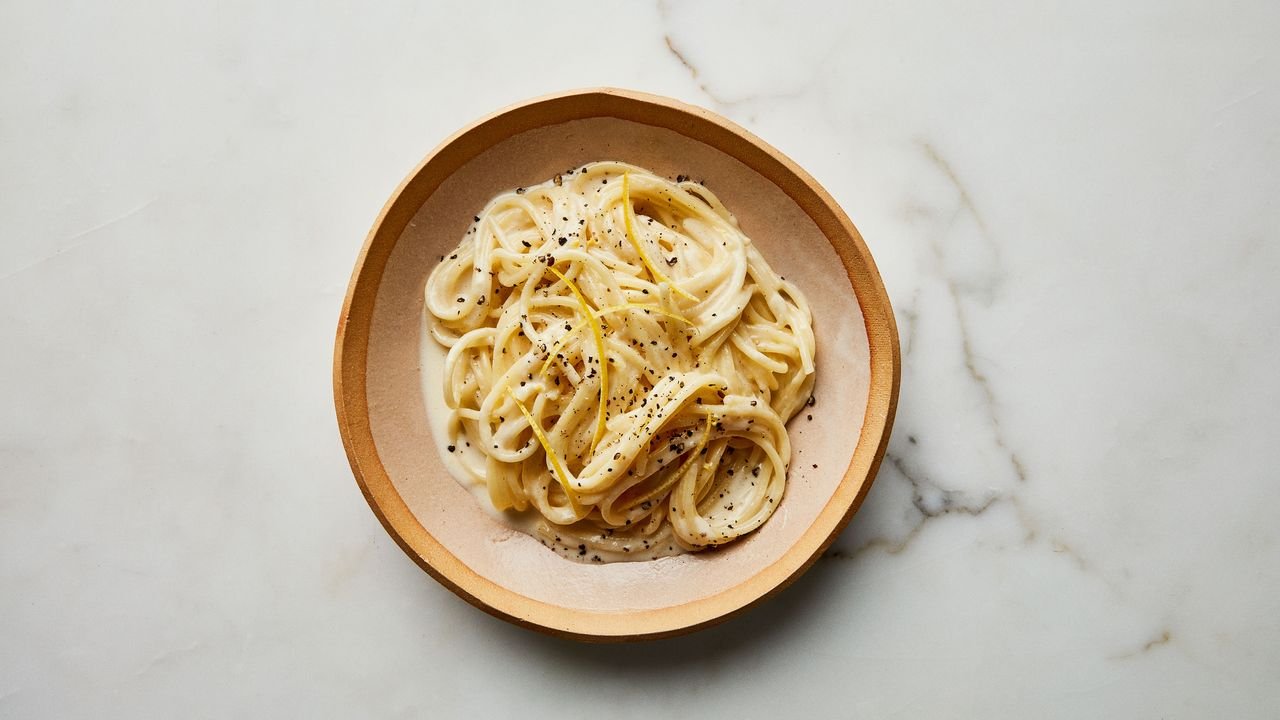
Home cooks can transform simple spaghetti, butter, Parmesan, and fresh lemons into a restaurant-worthy Italian Pasta al Limone in under 15 minutes by applying classic emulsification techniques in their own kitchens tonight. This quick dish achieves a rich, balanced profile by pairing butter and cheese with aromatic lemon zest and crisp acidity.
Mastering the 15-Minute Italian Classic
Much like cacio e pepe or fettuccine Alfredo, the magic of authentic pasta al limone relies on precise culinary execution rather than a long list of ingredients. A silky emulsion creates a glossy sauce that clings effortlessly to every strand of spaghetti. Fresh lemon zest provides a vibrant aroma, while a final addition of lemon juice delivers a clean, mouthwatering finish that elevates the entire dish.
Essential Techniques for a Silky Lemon Sauce
Whisk Gradually to Prevent Separation
Incorporate the butter and Parmesan a little at a time into the pan to ensure the sauce remains smooth and fully emulsified. Rushing this step introduces excess heat too quickly, which can cause the cheese to clump or turn greasy.
Harness the Power of Starchy Pasta Water
A splash of starchy pasta cooking water is essential for helping the lemon sauce bind and maintain a glossy texture. Keep the sauce looking slightly loose while in the pot, as it thickens rapidly upon cooling. Furthermore, heavily salting the cooking water from the start is critical to balancing the richness of the lemon-cream sauce.
Critical Tips for Flavor and Texture
Add Lemon Juice Off the Heat
Stir fresh lemon juice into the pan only after removing it from the burner. Keeping the juice away from direct heat prevents curdling and preserves its bright, sharp punch. Because individual lemons vary in acidity, start with a conservative amount and adjust to taste.
Ditch the Microplane for Better Cheese Melting
Avoid pre-grated cheese entirely, as anti-caking agents prevent it from melting smoothly. For the absolute creamiest result, shred a block of Parmesan using the small teardrop holes on the side of a traditional box grater rather than a microplane. This creates tiny nubbins of cheese that distribute and melt far more evenly, whereas fine microplane shreds tend to clump together in hot sauce.