Despite an extensive marketing campaign, the Afeela electric vehicles never reached production, leading to the cancellation of two models in March 2026 by the joint venture. This decision came just two weeks after Honda announced the discontinuation of three EVs intended for the U.S. market.
Honda (and Acura!)
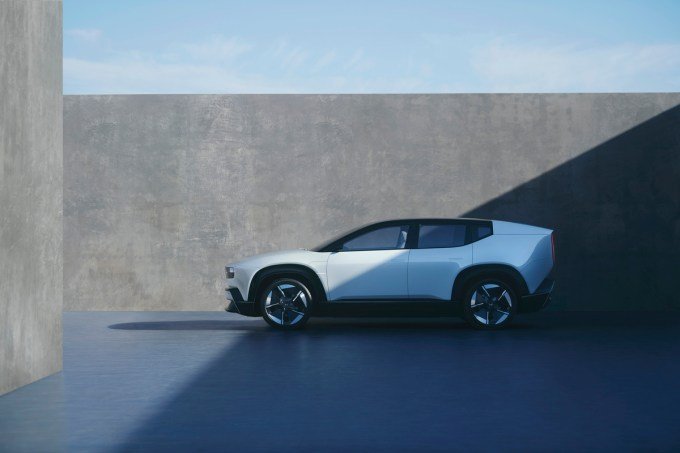
Just two years ago, Honda outlined its electric vehicle aspirations with the O Series, which featured a mid-sized SUV prototype showcased at CES 2025 alongside its innovative Saloon and Space-Hub concepts. This anticipated SUV was set to be produced at Honda’s “EV Hub” factory located in Ohio, with a North American launch planned for the first half of 2026.
However, in a significant shift in strategy, Honda halted development of the Acura RDX and the Honda O sedan and SUV in March 2026. The company cited U.S. tariffs and increasing competition from Chinese manufacturers as pivotal factors influencing this decision.
At that time, speculation arose regarding Honda’s potential discontinuation of the Prologue model, but it wasn’t until an official announcement on July 16 that CarBuzz confirmed the end of the Prologue program. TechCrunch subsequently verified with Honda that the Prologue would no longer be in production.
The discontinuation of the Series 0 is somewhat ambiguous, as it never actually entered production. In contrast, the Prologue represented a more realistic goal, successfully produced and sold to consumers in the U.S. market. This model was developed in collaboration with General Motors and was manufactured at GM’s Ramos Assembly Plant in Mexico, sharing a platform with the Chevrolet Blazer EV. Initially, it performed reasonably well, selling approximately 33,000 units in 2024 and 39,000 in 2025, but sales plummeted after the expiration of tax credits.
Hyundai
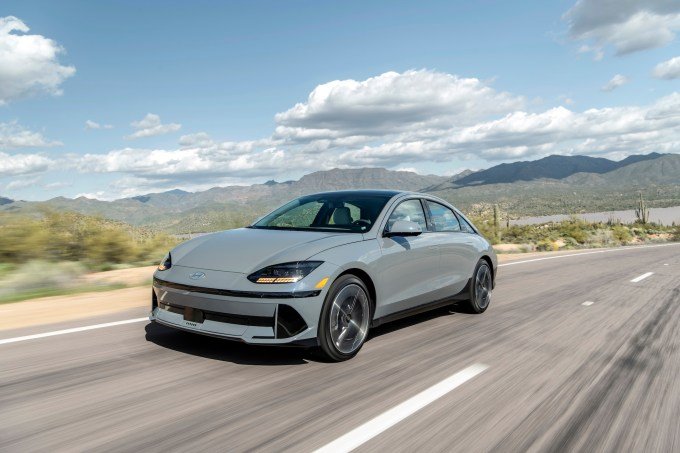
The South Korean automaker has seen success in the U.S. electric vehicle market but has recently made adjustments in response to evolving market dynamics. In March, Hyundai announced that it would cease sales of the Hyundai Ioniq 6 in the U.S., a decision likely influenced by tariffs. Unlike the Ioniq 6, the Ioniq 5 and Ioniq 9 models are manufactured at Hyundai’s factory in Georgia.
The company confirmed it will still import its more expensive N-model version of the Ioniq 6.
Nissan
Last year, Nissan decided against producing a 2026 model of its all-electric Ariya SUV for the U.S. market, with no plans for a return. Originally unveiled in 2020, the Ariya was set to launch in Japan the following year.
The Ariya marked Nissan’s first all-electric vehicle since the debut of the Leaf hatchback a decade ago.
Polestar
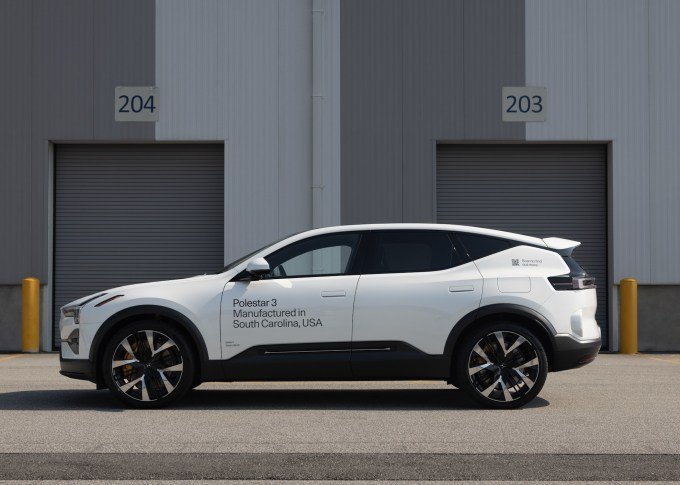
Polestar, the Swedish electric vehicle manufacturer backed by Chinese automotive giant Geely, has been compelled to exit the U.S. market due to the country’s restrictions on vehicle technologies linked to China. The company required specific authorization from the U.S. Department of Commerce to continue importing and selling its vehicles in the U.S.
Without this authorization, Polestar is effectively barred from the U.S. market. The company indicated it would continue selling its remaining stock of Polestar 3 and Polestar 4 vehicles in the U.S. while still offering customer support, including access to its service network. The Polestar 3 is manufactured in a facility located in South Carolina and Chengdu, China.
In contrast, Volvo Cars, Polestar’s sibling company owned by Geely, did receive the necessary authorization.
Tesla Model S and Tesla Model X
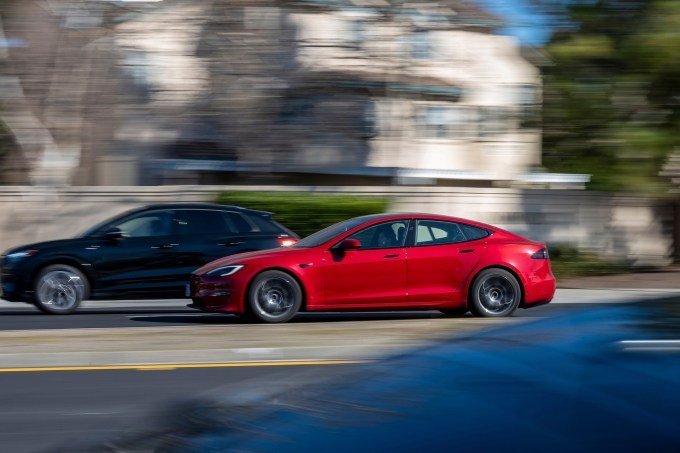
In January, Tesla announced the cessation of production for the Model S sedan and Model X SUV, paving the way for what the company envisions as the future of transportation. This future, according to Tesla, leans towards AI, autonomy, and robotics rather than traditional electric vehicles. It’s important to note that sales of the Model S and X have steadily declined over the years as consumers shifted their preferences towards the more affordable Model 3 and Model Y.
The final Model S and X vehicles left the assembly line this spring, and the company has recently dismantled the production lines for these models at its Fremont, California factory to accommodate the manufacturing of its Optimus robots.
Volkswagen
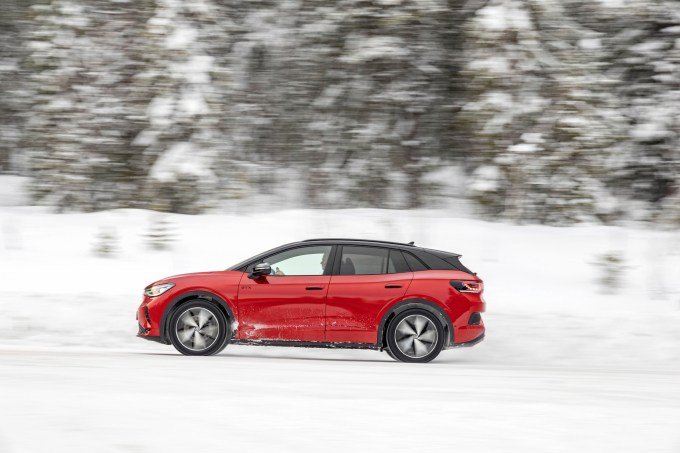
Volkswagen has scaled back production of the ID.4 electric SUV and the ID Buzz.
In April, the company announced it would halt production of the ID.4 at its U.S. facility in Chattanooga, Tennessee, as it shifts its focus to high-volume vehicles, including the upcoming gas-powered Atlas SUV. Volkswagen confirmed that U.S. customers could still purchase the ID.4 until existing inventory is exhausted, which is expected to last into 2027.
While Volkswagen stated that the ID Buzz is only on hiatus and will return in 2027, there will be no 2026 model available.
Nonetheless, self-driving prototypes of the ID Buzz are currently undergoing testing in the U.S. Volkswagen’s subsidiary, MOIA America, alongside Uber, initiated tests of autonomous microbuses in Los Angeles in April, gearing up for a robotaxi service slated to launch by late 2026, initially featuring human safety operators.
Volvo
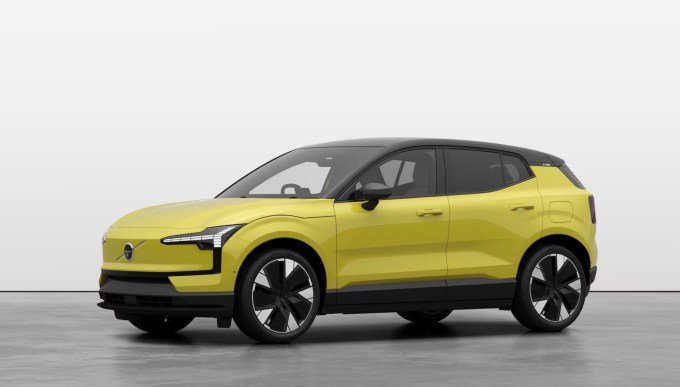
In March, Volvo announced the withdrawal of its subcompact EX30 and EX30 Cross Country from the U.S. market. The company stated that production for the U.S. would cease after summer. The EX30 initially generated significant interest prior to its official launch in the U.S. in 2025, as it was marketed as a more affordable EV alternative.
Volvo, however, intends to continue offering its larger, all-electric EX60 and EX90 SUVs in the United States.