







World-renowned pastry chef Dominique Ansel has revealed his essential blueprint for mastering professional-grade croissants at home in New York City, breaking down the precise techniques needed to overcome common home-baking limitations.
The Craft Behind the Iconic French Pastry
Making croissants at home is notoriously difficult, yet the reward makes the rigorous process worthwhile. To guide ambitious bakers, legendary chef Dominique Ansel—owner of Dominique Ansel Bakery, Dominique Ansel Workshop, and Papa D’Amour in New York City—shares his professional expertise. Although famously celebrated for creating the viral Cronut, Ansel considers himself first and foremost a dedicated croissant specialist.
Daily Precision and Cross-Section Audits
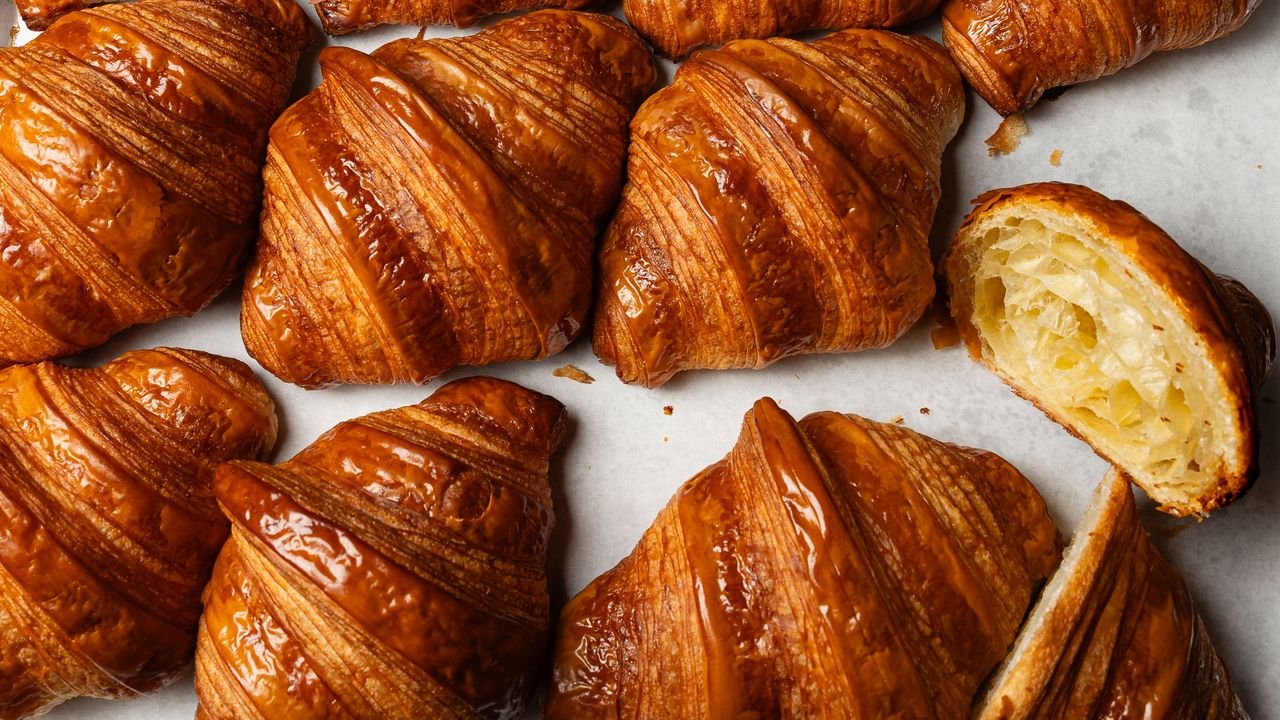
Ansel maintains an uncompromising standard for his pastries. Every morning, his head bakers are required to send him a photograph of the day’s freshly baked croissant cross-section. By examining these images on his phone, Ansel analyzes every structural nuance of the dough, determining instantly whether the lamination was executed correctly.
Overcoming Home Kitchen Challenges
Achieving bakery-quality lamination outside a professional environment presents unique hurdles. Ansel emphasizes that home kitchens typically lack two key commercial advantages: an industrial dough sheeter, which rolls dough with gentle and perfectly uniform pressure, and large-scale refrigeration capacity.
A Two-Day Strategy for Success
To overcome these equipment deficits, bakers should divide the process across several days. Day one is dedicated to preparing the dough and shaping the butter block, while day two is reserved for shaping and baking. Before starting, clear sufficient space in your refrigerator to comfortably fit a large rimmed baking sheet.
Temperature Control and Ingredient Precision
Temperature regulation is the critical factor in dough manipulation. The fundamental objective is maintaining the butter and the dough at the exact same temperature throughout the folding process—neither too warm nor too cold—allowing them to roll out seamlessly as a single unit.
Accuracy in ingredient preparation is equally critical. Weighing ingredients on a scale, particularly the flour, is far more accurate and reliable than measuring with traditional cups.
WATCH: How Dominique Ansel Makes Perfect Croissants