








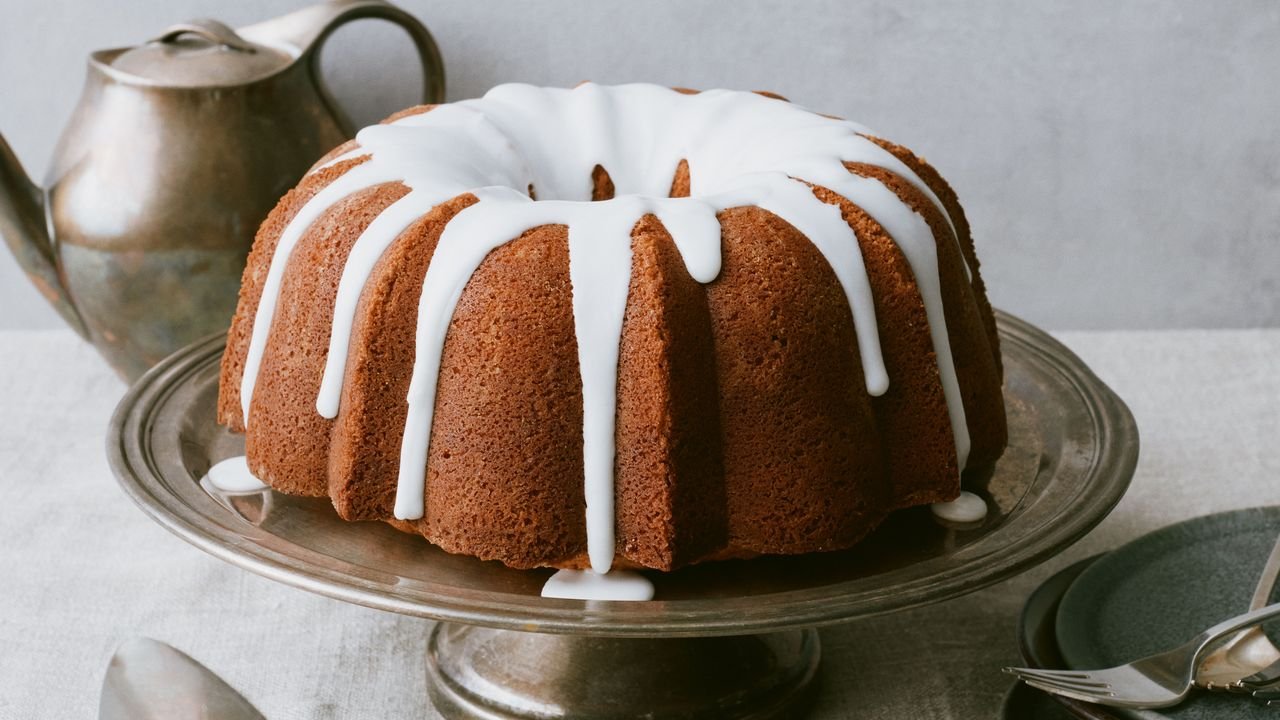
Southern home bakers introduced a beloved Midwestern tradition when migrating from Corinth, Mississippi, to Milwaukee, Wisconsin, by incorporating 7Up soda into scratch-made pound cakes to achieve superior rise and citrus brightness. Baked in a classic Bundt pan, this nostalgic dessert combines butter, cream cheese, and carbonated soda to create an exceptionally fluffy interior balanced by a crisp, golden-brown crust.
The Science Behind Soda in Cake Batter
Adding a generous pour of lemon-lime soda performs double duty in a cake recipe. The natural carbonation provides carbon dioxide bubbles that expand during baking, creating a lighter, airier crumb than traditional dense pound cakes. Meanwhile, the citrus flavor enhances the overall brightness without overwhelming the palate with artificial soda taste. If 7Up is unavailable, Sprite or any comparable lemon-lime carbonated beverage functions identically in the batter.
Key Ingredients for Lasting Moisture and Flavor
A specific balance of fat and fresh ingredients gives this cake its signature texture and flavor profile:
Butter and Cream Cheese Combination: Blending high-fat butter with rich cream cheese ensures the cake crumb remains remarkably tender, soft, and moist for several days after baking.
Fresh Zest Over Extracts: Replacing artificial lemon extracts with fresh lemon and lime zest delivers a clean, sharp, and authentic citrus note that elevates both the cake and its glossy glaze.
Essential Baking Techniques for Bundt Success
Bring Ingredients to Room Temperature
Emulsification is critical for an even bake. Ensuring that eggs, butter, and cream cheese reach room temperature before mixing allows the fats and liquids to combine smoothly, preventing a broken or dense batter.
Grease Every Detail of the Pan
Bundt pans feature intricate crevices that easily trap delicate cake batter. Coat every nook and cranny thoroughly using softened butter with a pastry brush, a nonstick baking spray, or traditional vegetable shortening like Crisco to guarantee a clean release.
Cool Entirely Before Glazing
Pouring glaze over a hot cake causes the liquid to melt and soak directly into the crumb. Allow the cake to cool completely on a wire rack before applying the lemon glaze to secure a thick, glossy, bakery-style finish.