



Legendary Hawaiian chef Sam Choy revolutionized local outdoor cooking decades ago with his iconic miso-peanut butter chicken, a caramelized hibachi staple that culinary enthusiasts across O‘ahu continue to master today using boneless thighs and a sharp chili twist.
The Legacy of O‘ahu’s Culinary Master
Sam Choy stands as one of Hawai‘i’s most venerated culinary figures, inspiring generations of local cooks who grew up admiring his work. Born and raised on O‘ahu, Choy earned widespread fame for his approachable, down-home cooking style, unmatched mastery of poke, and trademark aloha shirts. Yet among his vast repertoire, his miso-peanut butter chicken remains a defining landmark. Though Choy modestly refrains from claiming sole invention of the flavor combination, the recipe became an overnight phenomenon in newspapers and on television immediately following its publication in his landmark cookbook decades ago.
Why Miso and Peanut Butter Thrive on the Hibachi
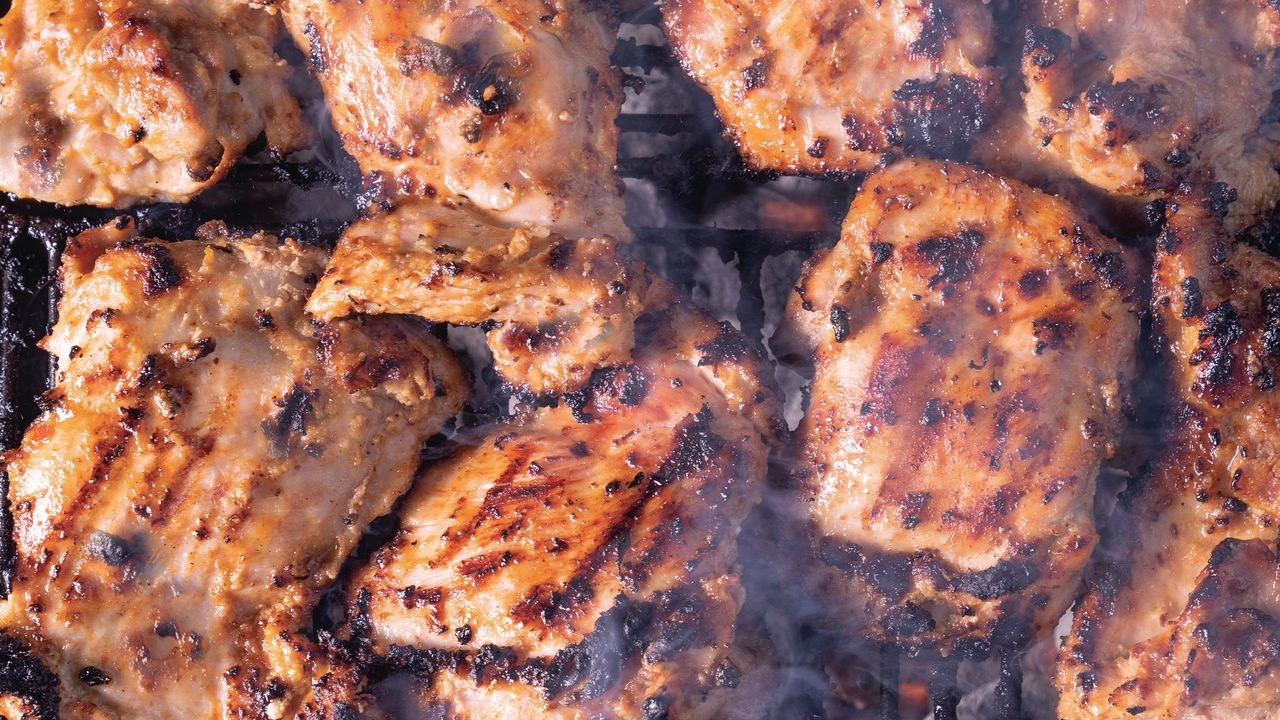
Decades after its debut, the recipe maintains unmatched staying power across the Hawaiian islands. The technical success of the dish relies on how umami-rich miso and creamy peanut butter react when exposed to direct flame. The mixture caramelizes upon hitting the grill grate, releasing a distinct, sweet-and-savory aroma recognizable from a mile away along coastal beach parks.
Balancing Flavor Profile and Protein Selection
Modern adjustments to the original technique introduce a small addition of spicy chili paste. Rather than spiking the overall heat level, the chili paste delivers a precise sharpness that cuts through the dense richness of the base marinade. Because the paste-like mixture clings tightly to the meat to form a protective crust during cooking, lean chicken breasts remain a viable option. However, boneless, skinless chicken thighs cooked over a traditional hibachi provide superior heat distribution, flavor absorption, and structural juiciness.