






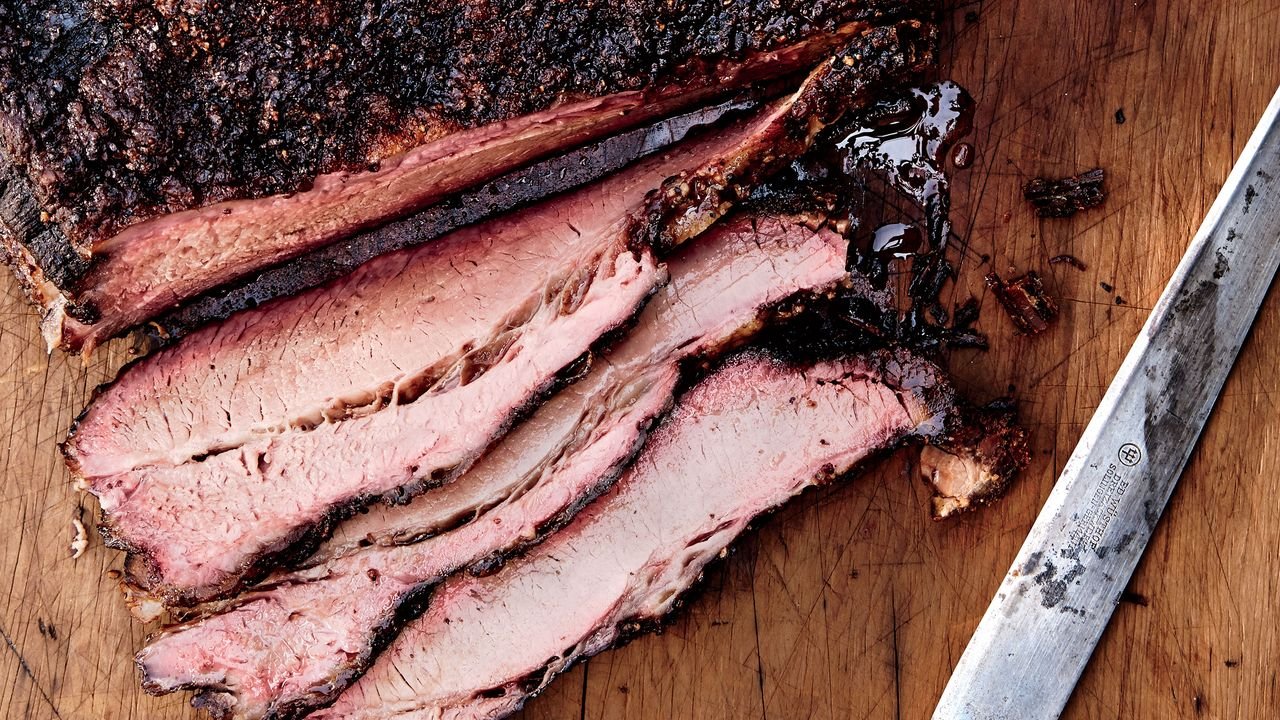
Home cooks can craft authentic, melt-in-your-mouth Texas-style smoked brisket today in their own backyards using a standard gas or charcoal grill, eliminating the need for an offset smoker or a trip to Austin. By mastering temperature control and applying a minimal salt-and-pepper rub, pitmasters of any skill level can transform this tough cut into a smoky, juicy centerpiece featuring a crisp peppery bark.
The Science Behind Low-and-Slow Barbecue
Brisket is a naturally tough, heavily marbled cut of beef. Achieving tender results requires breaking down dense connective tissue and rendering internal fat slowly over several hours. While dedicated pit smokers are traditional, gas grills perform exceptionally well when configured for indirect heating. Success demands careful monitoring: maintaining consistent temperature control, rotating the meat periodically, and sustaining continuous wood smoke to build rich, authentic flavor.
This process demands a full-day commitment, but the reward is legendary Texas barbecue. Serve thick slices alongside classic sides such as coleslaw, potato salad, and pinto beans.
Selecting the Ideal Cut
Sourcing a Whole Packer Brisket
Success begins at the butcher counter. Request a whole “packer” brisket weighing approximately 10 to 12 pounds. Look for a flat cut with consistent thickness throughout and ensure the fat cap is trimmed to about ¼-inch. This precise layer of fat gradually renders during the extended cook, insulating the meat from direct heat while retaining moisture.
Executing Gas Grill Smoking Techniques
Heat Management and Wood Selection
Transforming a gas grill into an effective smoker requires setting up an indirect heat zone alongside a smoker box packed with wood chips. Although gas units release heat and smoke less uniformly than traditional offset smokers, constant vigilance offsets these limitations.
Maintain an ambient grill temperature strictly between 225°F and 250°F. Rotate the brisket every few hours to prevent hot spots from overcooking specific edges. Add fresh wood chips every 30 to 60 minutes to maintain steady smoke output. Oak and hickory remain the premier wood choices for Texas-style beef, providing a robust, savory smoke profile that complements without overpowering the meat.
Finishing Brisket in the Oven
Grill setups can be streamlined once initial smoking is complete. After 5 to 6 hours—when the brisket absorbs sufficient smoke and reaches an internal temperature between 150°F and 170°F—wrap the meat tightly in aluminum foil. Move it to a preheated oven set at 250°F and continue cooking until internal temperatures reach 195°F to 205°F.
Determining Doneness: Temperature vs. Texture
While target internal temperature guides the process, physical texture provides the definitive test of doneness. A brisket is fully cooked when an instant-read thermometer inserted into the thickest section meets almost no resistance, yielding a true “probe-tender” feel between 195°F and 205°F.
If the meat remains tough at this stage, it simply requires additional time for the connective tissue to fully dissolve. Rely on probe texture rather than strict time limits to dictate when the brisket is ready to rest and slice.