






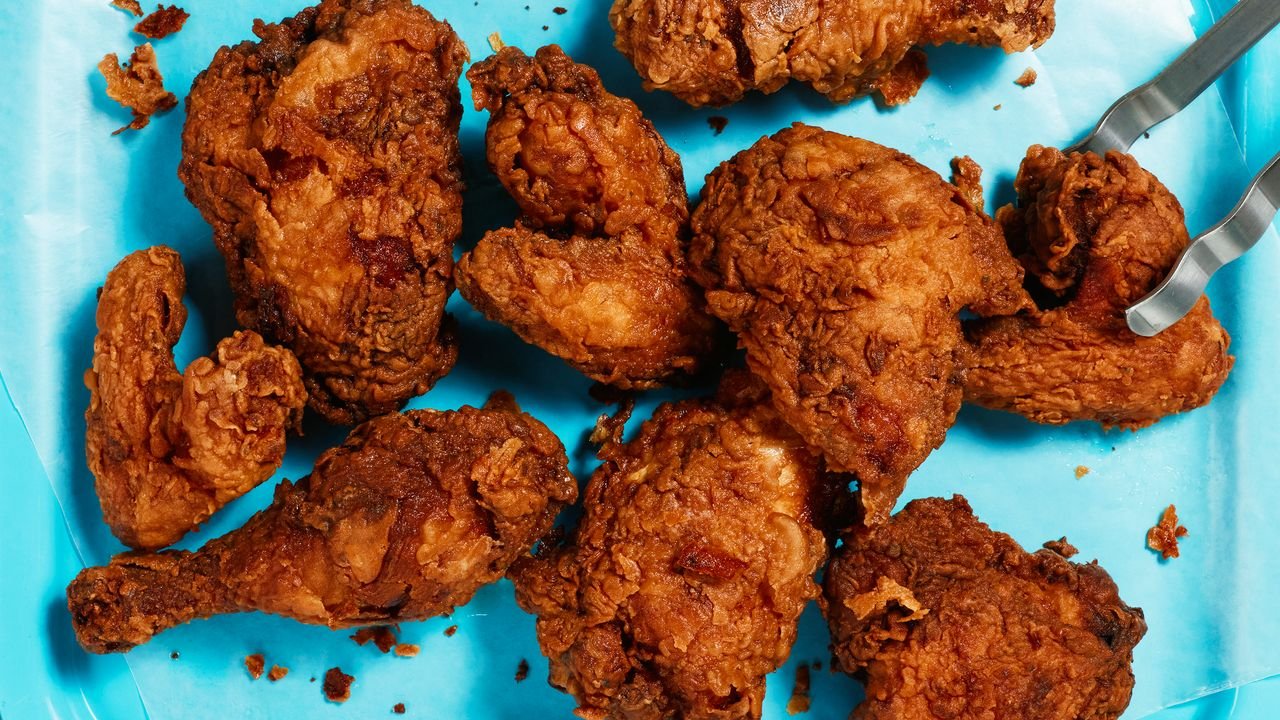
First featured on the cover of Bon Appétit in February 2012, this ultimate skillet-fried chicken technique delivers a deeply seasoned, shatteringly crisp exterior using a heavy cast-iron pan and an overnight dry rub. By ditching traditional long buttermilk marinades in favor of salt-first seasoning and a controlled shallow fry in peanut oil, home cooks can achieve restaurant-grade Southern fried chicken right on their stovetop.
Why an Overnight Dry Rub Outperforms a Buttermilk Soak
Instead of bathing the meat in buttermilk overnight, this recipe applies a robust dry rub hours before cooking. Giving salt and spices overnight access allows deep penetration all the way to the bone, enhancing the natural flavor and ensuring the skin fries up extraordinarily crisp. The buttermilk enters the process later, serving strictly as a liquid base for the flour dredge rather than an overnight marinade that risks overly tenderizing the meat.
The Physics of Frying in Cast Iron
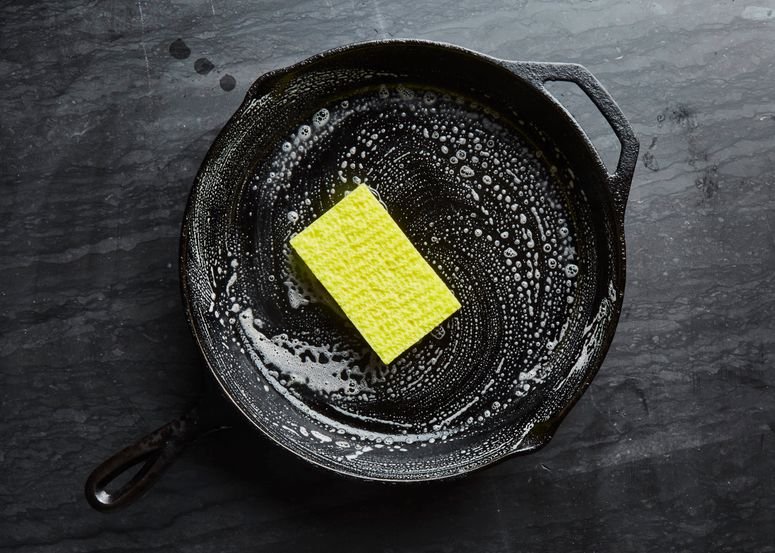
Heavy cast-iron cookware remains the premier vessel for pan frying due to its exceptional heat retention. A wide, thick base and high sidewalls stabilize oil temperatures, making shallow frying safer and far more manageable at home.
Executing the fry requires maintaining a steady oil temperature between 300°F and 325°F using just a few cups of peanut oil. Allowing the dredged chicken to rest briefly before hitting the hot skillet lets the light flour coating hydrate and adhere firmly, preventing the golden crust from sloughing off during cooking.
Breaks Down and Butchery Details
Achieving uniform cooking starts with breaking down a whole bird into 10 distinct pieces: two wings, two drumsticks, two thighs, and four breast pieces. Breasts are split horizontally to match the size and weight of the thighs. Home cooks can ask a butcher to handle the breakdown or simply purchase an equivalent weight of pre-cut bone-in drumsticks, thighs, and breast portions.
Managing Varied Cook Times by Piece
Different sections of the chicken cook at distinct rates. Wings cook most rapidly, drumsticks and thighs require moderate timing, while dense breast portions take longer. Instead of relying strictly on a clock, tracking internal heat with an instant-read thermometer guarantees safety and moisture. Remove each piece from the oil when its thickest part reaches 160°F; natural carryover heat brings it to the ideal serving temperature.
Preserving Crunch for Next-Day Leftovers
Transferring cooked pieces directly to a wire rack prevents steam accumulation and keeps the bottom surface crackly. The resulting pan-fried chicken retains its interior moisture and structural crunch long after cooling, making leftovers just as enjoyable served chilled the next day.