






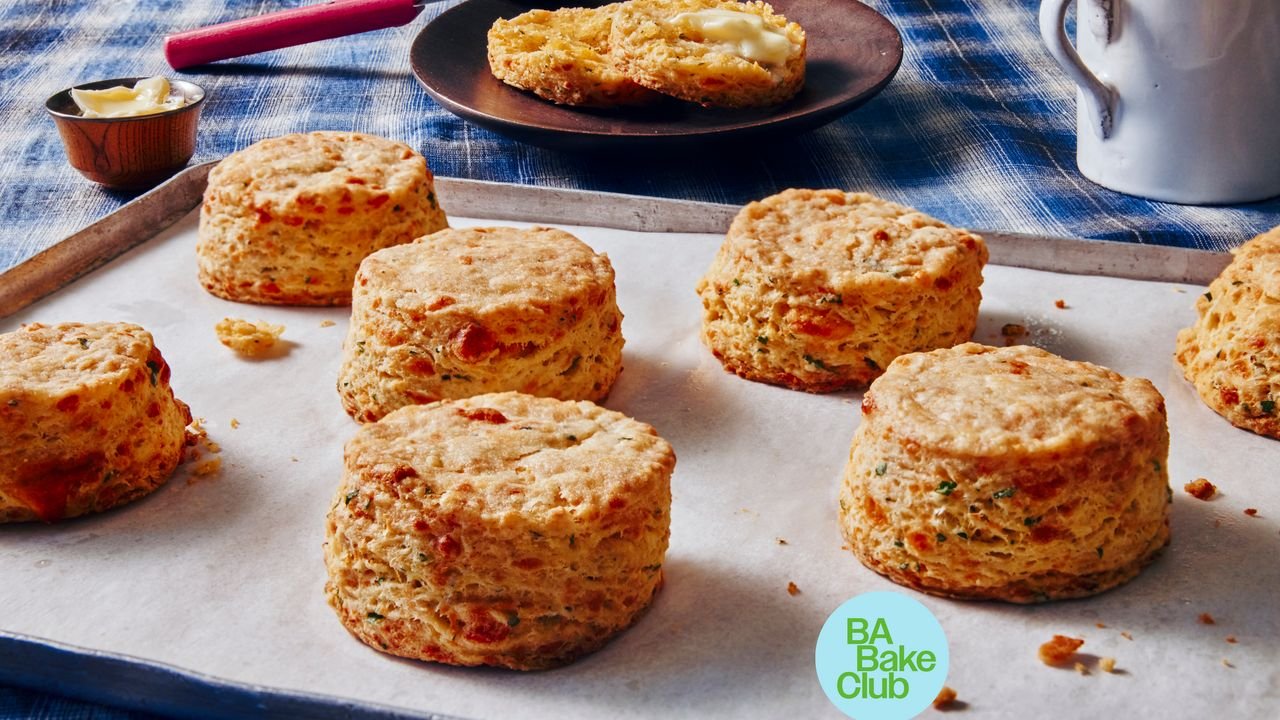
Senior test kitchen editors Jesse Szewczyk and Shilpa Uskokovic unveiled a technique-driven recipe for flaky cheddar biscuits seasoned with Old Bay, offering home bakers a rapid, high-flavor alternative to artisanal bread. By combining a half-pound of sharp cheddar with the iconic Chesapeake Bay spice blend, the culinary duo delivers a bakery-quality result in a fraction of the time required for traditional yeast loaves.
The Science Behind the Old Bay and Cheddar Flavor Profile
A warm biscuit fresh from the oven provides the texture and rich savoriness of homemade bread without the labor-intensive proofing process. Incorporating a full half-pound of sharp cheddar creates intense savory depth, while Old Bay seasoning introduces a punchy, salty bite that complements the heavy dairy fat. The resulting flavor closely mirrors the salty, spicy profile of classic crab chips balanced against rich, melted butter.
Rooted in the Chesapeake Bay region of the United States, Old Bay relies on a proprietary spice combination anchored by celery salt, paprika, red pepper, and black pepper. When baked into a fat-rich dough, these distinct aromatics cut through the richness of the cheese, yielding an exceptionally balanced crumb that works equally well plain, brushed with extra butter, or layered with pimento cheese.
Mastering the Flaky Dough Technique
Using a Food Processor for Optimal Tenderness
Achieving extreme flakiness depends entirely on maintaining cold fat within the dry ingredients. Utilizing a food processor allows bakers to quickly cut cold butter into the flour mixture before heat transfers from the equipment, ensuring an ultra-tender final texture. For bakers working manually without a processor, rubbing the butter into the dry mixture by hand yields similar results, provided the dough is chilled immediately if the butter shows any sign of softening.
Lamination and Structural Layering
The defining visual and textural elements of these biscuits come from repeated folding, a process known as lamination. By folding the dough over itself multiple times, thin sheets of butter become trapped between layers of flour. As the moisture in the butter converts to steam inside a hot oven, it forces the layers apart, creating dramatic rise and a striated interior reminiscent of Italian marble.
Initial preparation can leave the dough looking visibly dry and crumbly. However, continuing through the prescribed folding sequence fully integrates the flour and fat, yielding a cohesive and resilient dough by the final fold.